








Emotions beat facts at promoting climate action, says study
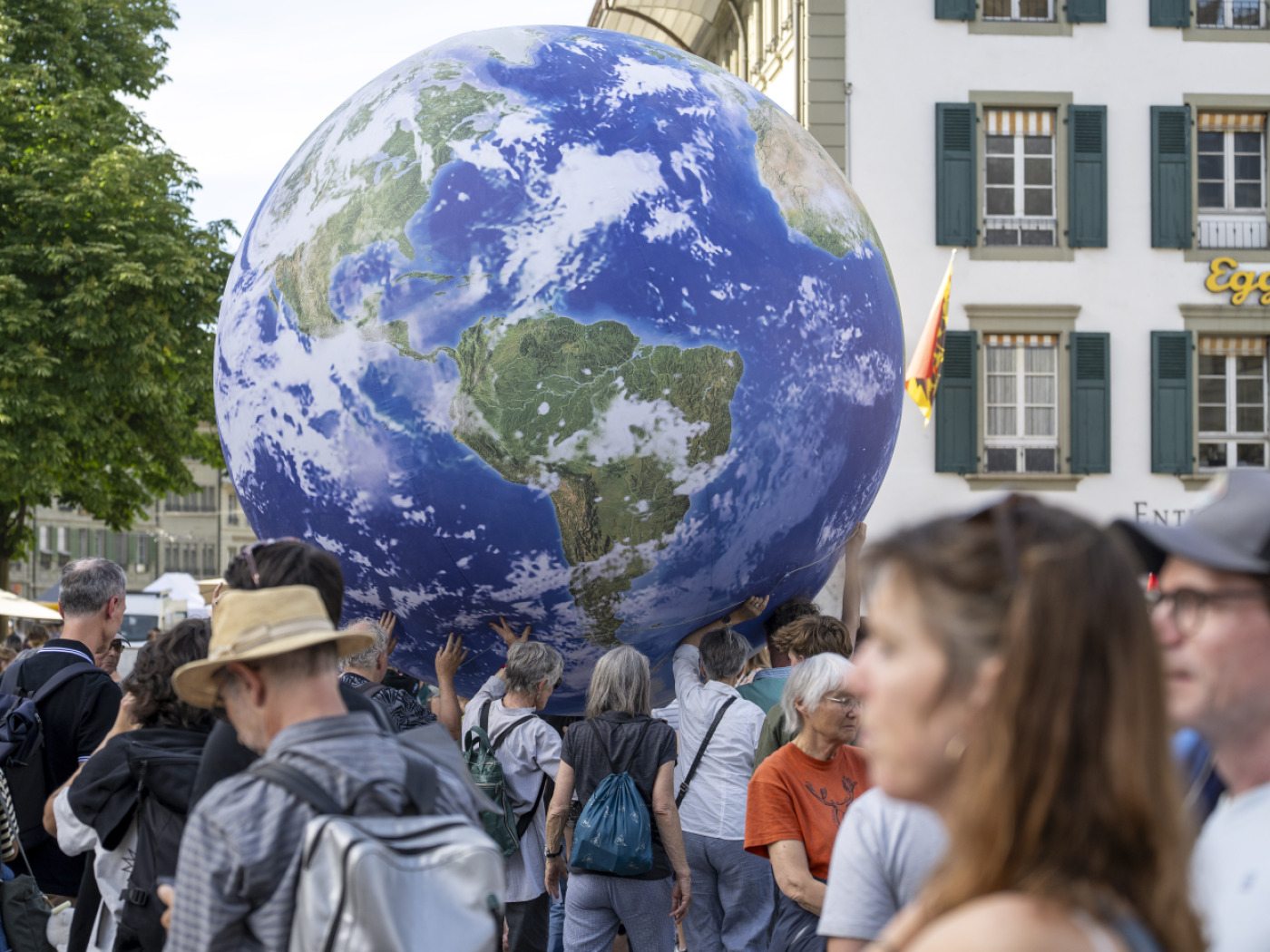
To do more to protect the climate, we need emotion rather than just facts. A study from Geneva shows that images and emotional stories are more likely to motivate people to take action than scientific evidence.
Select your language
Generated with artificial intelligence.
Listening:
Emotions beat facts at promoting climate action, says study
A research team from the University of Geneva (UNIGE) analysed 71 studies involving a total of 216,000 participants for the study, the university announced on Tuesday. The researchers compared the impact of 15 different communication strategies on climate change.
The analysis revealed that almost all the strategies examined had a positive effect on intentions, behaviour and support for climate policy measures. These included, for example, presenting facts, evoking emotions, or approaches that highlight the financial or health consequences of climate change.
The only strategy found to be of little or no effectiveness was messages targeting individual and collective responsibility. According to the researchers, such appeals can even provoke mistrust.

More
As heatwaves rise, Swiss climate concerns fall
Fiction beats facts
According to the study, campaigns that evoked a strong emotional response were particularly effective. This was achieved, for example, through storytelling or by inspiring a sense of wonder at the beauty of nature. The use of images also increased the effectiveness of the messages.
These emotional approaches were significantly more successful than simply presenting scientific evidence, wrote the study’s authors, Mario Herberz and Tobias Brosch. Messages based on moral or ethical considerations also achieved better results.
The fact that almost all strategies had a positive effect is encouraging, they said. The studies examined measured the impact of messages to which people were exposed only once. As repetition enhances the impact, there is considerable scope for improvement in climate communication, they explained.
The findings were published in the Journal of Environmental Psychology.
Join the debate:
External Content
+ How we produce news in English
Translated from German, reviewed by an English Department journalist.

In compliance with the JTI standards
More: SWI swissinfo.ch certified by the Journalism Trust Initiative

You can find an overview of ongoing debates with our journalists here . Please join us!
If you want to start a conversation about a topic raised in this article or want to report factual errors, email us at english@swissinfo.ch.