








Swiss drivers warned as wildlife collisions increase in autumn

The risk of collisions with wildlife on Swiss roads rises sharply in autumn. According to figures from an insurer, Eastern Switzerland and the Espace Mittelland record a particularly high number of such accidents.
Select your language
Generated with artificial intelligence.
Listening:
Swiss drivers warned as wildlife collisions increase in autumn
Over the past five years, insurer Mobiliar has recorded more than 10,500 wildlife collisions. Analysis of data from 2021 to 2025 shows that the number of accidents in the final quarter of the year was around 12% above average. A further peak was recorded in April.
+ Hunters in eastern Switzerland shoot 3,500 deer
Eastern Switzerland hard hit
According to Mobiliar, accident rates vary considerably across the country. The highest rate was recorded in canton Thurgau, with 2.05 claims per 1,000 insured vehicles. Canton Graubünden ranked second with 1.85 claims per 1,000 vehicles, followed by canton Jura with 1.75. The national average stood at 1.16 wildlife collisions per 1,000 vehicles.
More
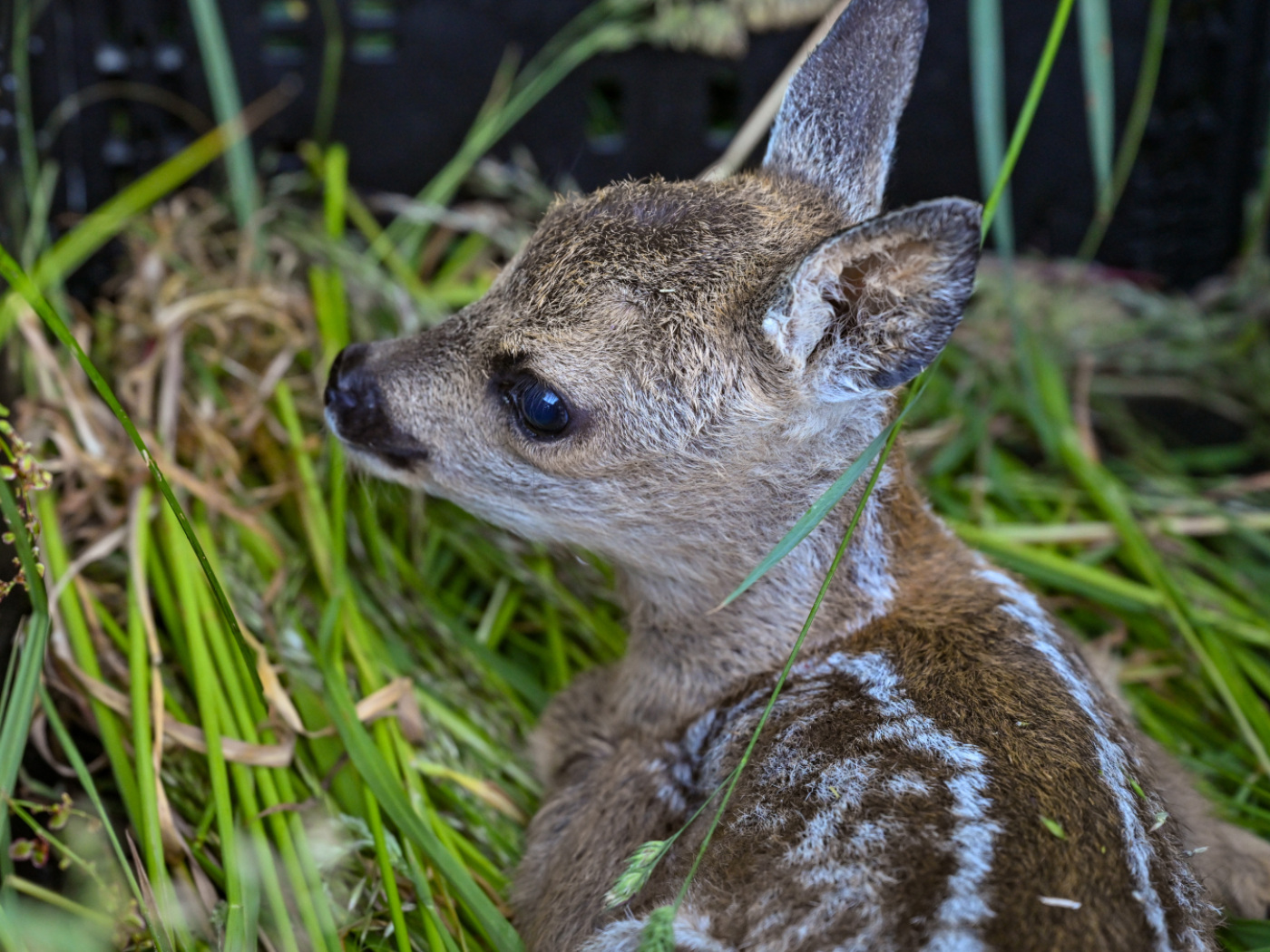
Record number of fawns saved by Swiss drone volunteers
Roe deer and red deer were involved in the majority of collisions, accounting for around 7,350 claims. Accidents involving foxes (1,020), badgers (900) and wild boars (510) were less common. Collisions with larger animals tended to be the most costly. According to Mobiliar, a collision with a wild boar resulted in an average claim of around CHF3,000 ($3,615), while accidents involving roe deer and red deer cost about CHF2,700 on average.
There are several reasons why wildlife collisions become more common in autumn. As the days grow shorter, more commuters are on the roads in the twilight hours, when many animals are most active. Other contributing factors include the deer rut, which begins in October, the disruption caused by the hunting season and animals searching for food ahead of winter.
Mobiliar warns Swiss drivers
Mobiliar is urging drivers to take extra care, particularly on rural roads and near woodland. Motorists should slow down if they see a wildlife warning sign. If an animal appears on the road, they should brake firmly but in a controlled manner and dip their headlights. Swerving to avoid an animal is strongly discouraged, as it often leads to more serious accidents than the collision itself.
If a collision does occur, drivers should stop, switch on their hazard lights and make the scene safe. The police or the local gamekeeper should then be notified. Under no circumstances should injured animals be approached or touched. Any damage should also be reported to the insurer as soon as possible.
More
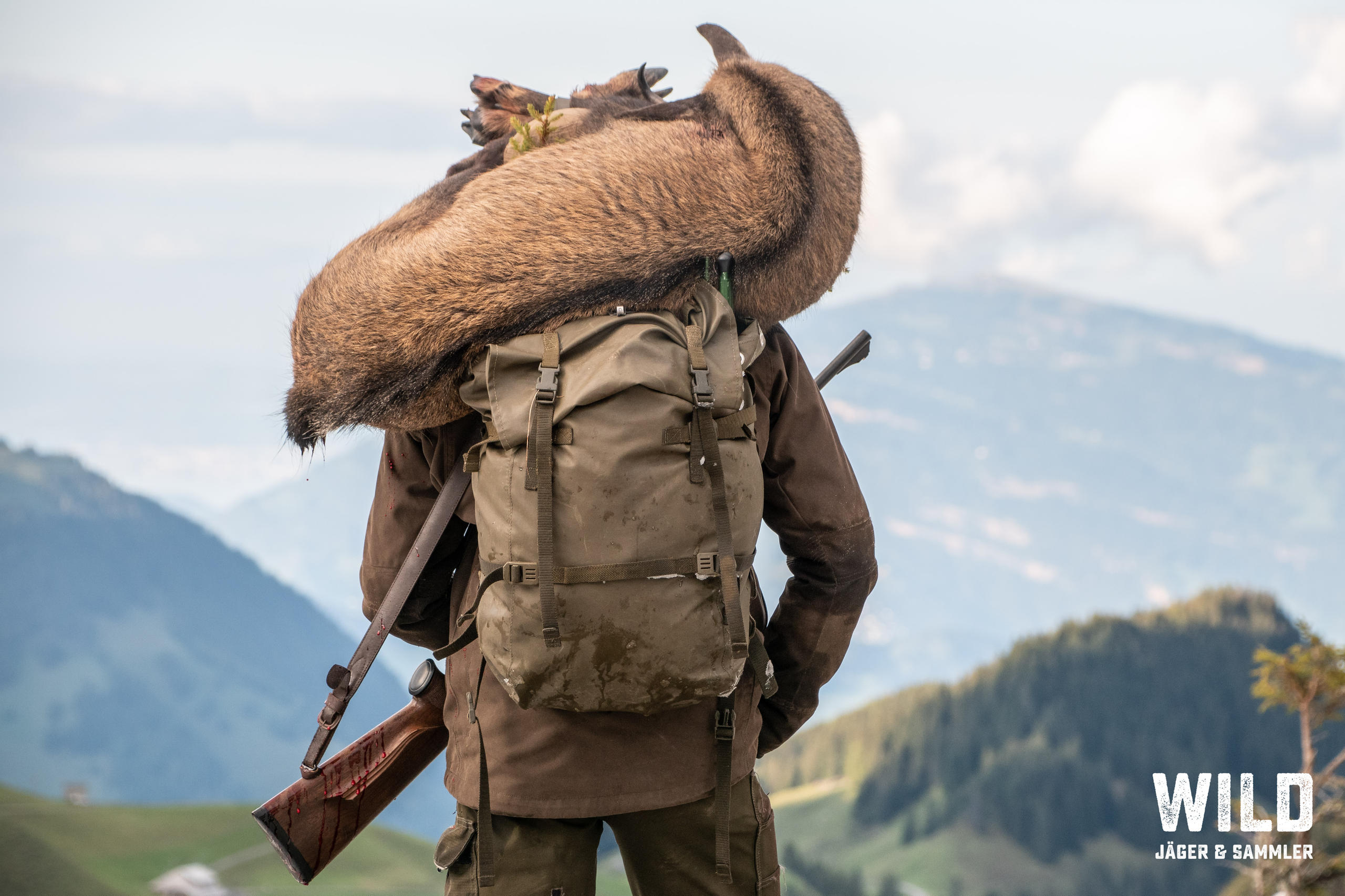
Are hunters an endangered species in Switzerland?
According to figures from the environment ministry, road traffic accidents are the second most common known cause of death among large wild animals in Switzerland, after hunting.
+ How we produce news in English
Translated from German, reviewed by an English Department journalist.

In compliance with the JTI standards
More: SWI swissinfo.ch certified by the Journalism Trust Initiative

You can find an overview of ongoing debates with our journalists here . Please join us!
If you want to start a conversation about a topic raised in this article or want to report factual errors, email us at english@swissinfo.ch.