








Lightning density in Switzerland second highest in Europe
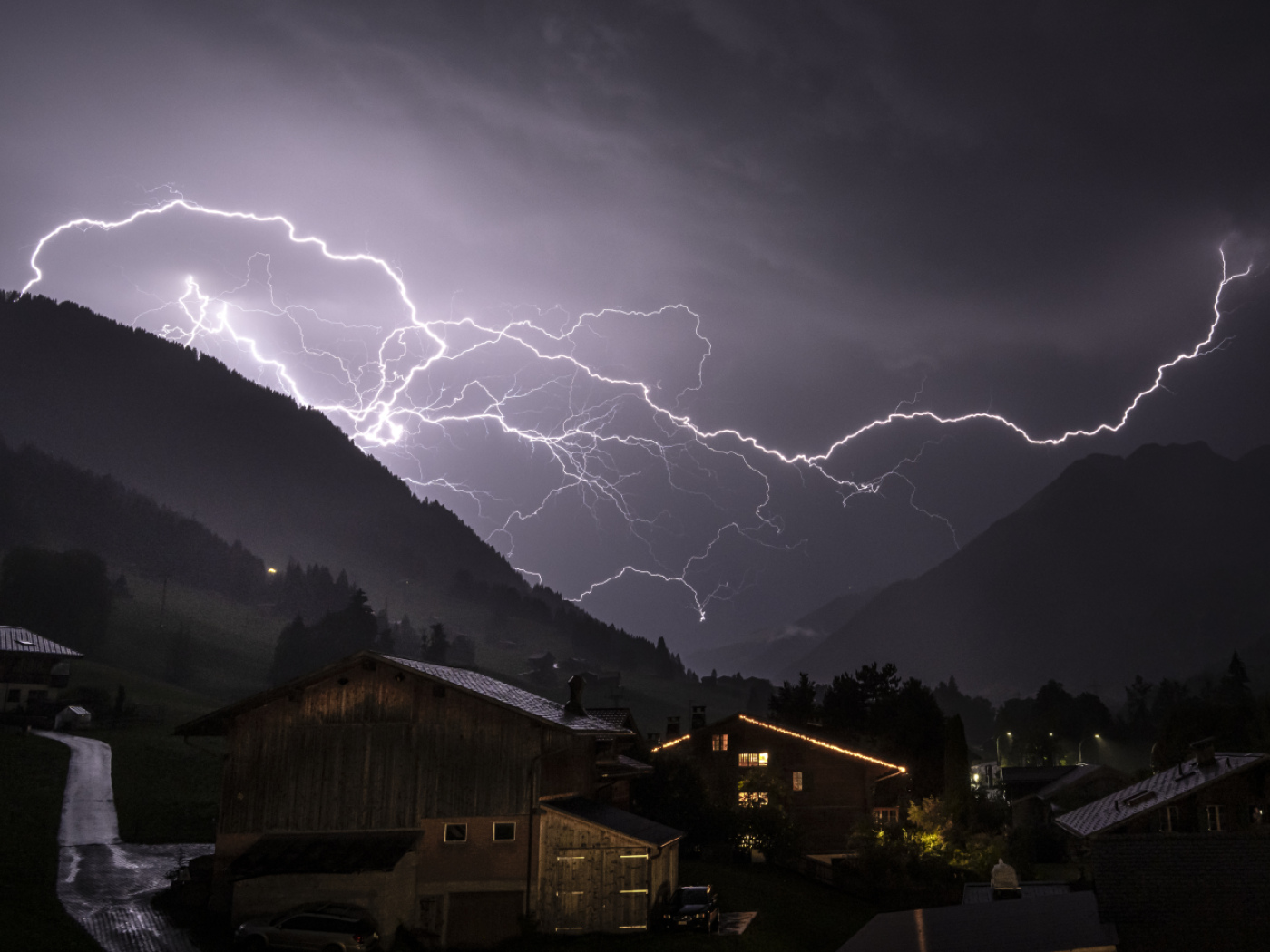
Switzerland experienced a summer with a high number of thunderstorms. More than 22,000 cloud-to-ground lightning strikes were recorded between early June and late August. Relative to its land area, it has the second-highest density of lightning strikes in Europe, according to a report by Meteorage published on Tuesday.
Select your language
Generated with artificial intelligence.
Listening:
Lightning density in Switzerland second highest in Europe
In total, the detection network run by the Météo-France subsidiary recorded 22,158 cloud-to-ground lightning strikes in Switzerland during the meteorological summer, which runs from June 1 to August 31, according to a press release. Across Europe, the total number reached 893,458.
Switzerland lags far behind major countries such as Italy, France and Spain in absolute terms. It stands out, however, when lightning activity is measured relative to the country’s surface area. With 2.43 ground strikes per km² per year, it ranks second in Europe, behind Italy (4.73), but ahead of, in particular, the Netherlands (2.39), Belgium (2.20), France (2.09) and Germany (1.30).
August was the most active month of the summer in Switzerland, with 7,993 cloud-to-ground lightning strikes, compared with 7,424 in July and 6,741 in June. Meteorage recorded 27 days of thunderstorms during the month. The peak was reached on August 28, with 1,886 lightning strikes in a single day.

More
Appenzell village is named ‘lightning capital’ of Switzerland
Bern and Lugano lead the way
Canton Bern topped the list with 3,426 lightning strikes, ahead of Graubünden (2,773), Ticino (2,552), Valais (2,276) and Vaud (2,188). At district level, the Lugano district recorded the highest level of lightning activity, with 570 lightning strikes and a particularly high density.
However, the summer of 2026 is not among the most lightning-prone of recent years, notes Joris Royet, head of weather projects at Meteorage. It stood out more for the intensity of certain episodes.
More
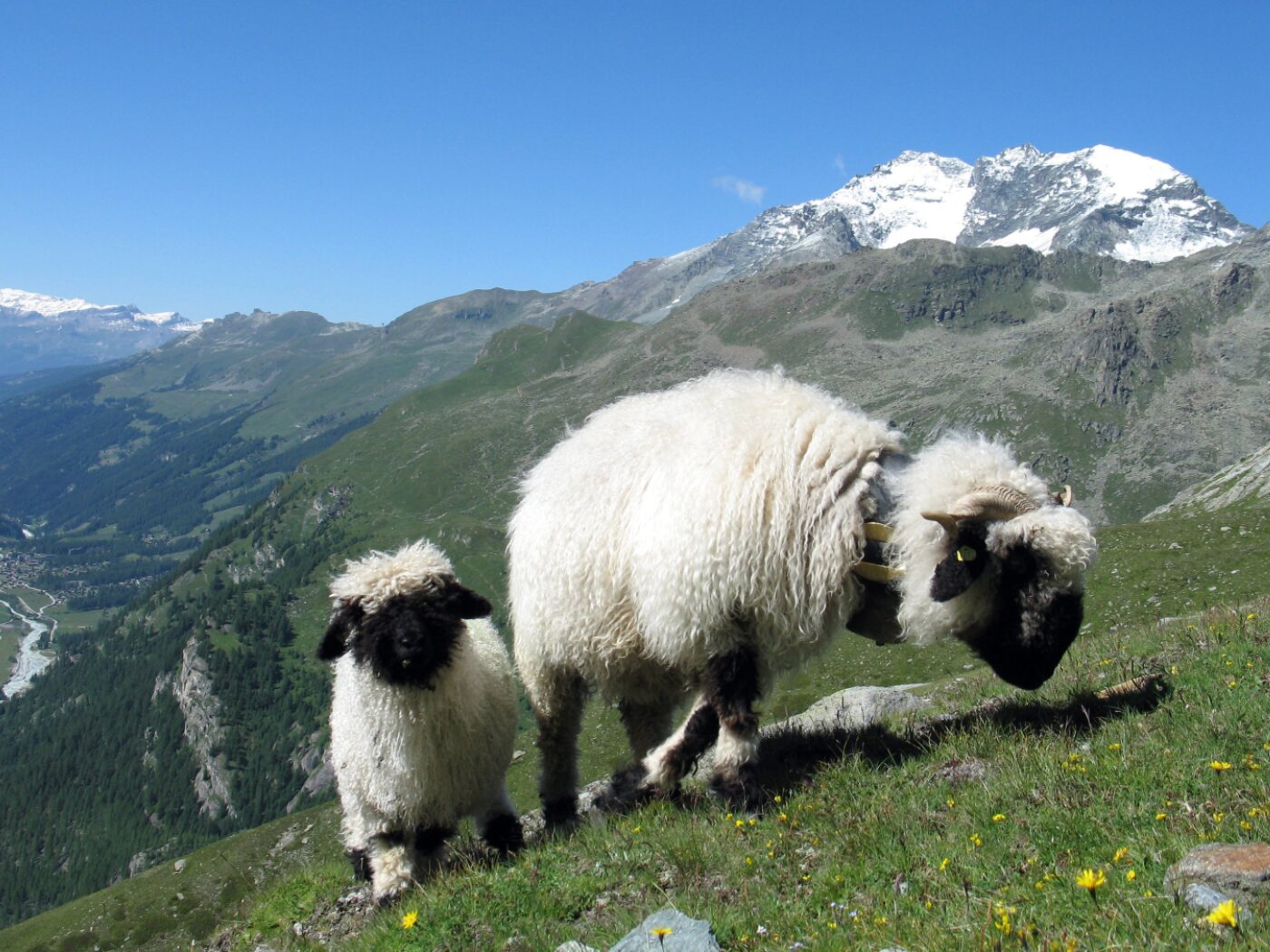
Lightning kills nearly 100 black-nosed sheep on a Swiss alp
“The meteorological summer of 2026 was marked by numerous severe thunderstorm episodes across Europe,” he explains. Several factors contributed to the formation of supercells, accompanied by heavy hailstorms, destructive gusts and, locally, tornadoes.
According to Meteorage, thunderstorm activity in Europe was concentrated mainly during the second half of June and throughout a particularly active August. It was significantly higher than that observed during the summer of 2025.
+ How we produce news in English
Translated from French, reviewed by an English Department journalist.

In compliance with the JTI standards
More: SWI swissinfo.ch certified by the Journalism Trust Initiative

You can find an overview of ongoing debates with our journalists here . Please join us!
If you want to start a conversation about a topic raised in this article or want to report factual errors, email us at english@swissinfo.ch.