








Nestlé sued in US over arsenic in baby food
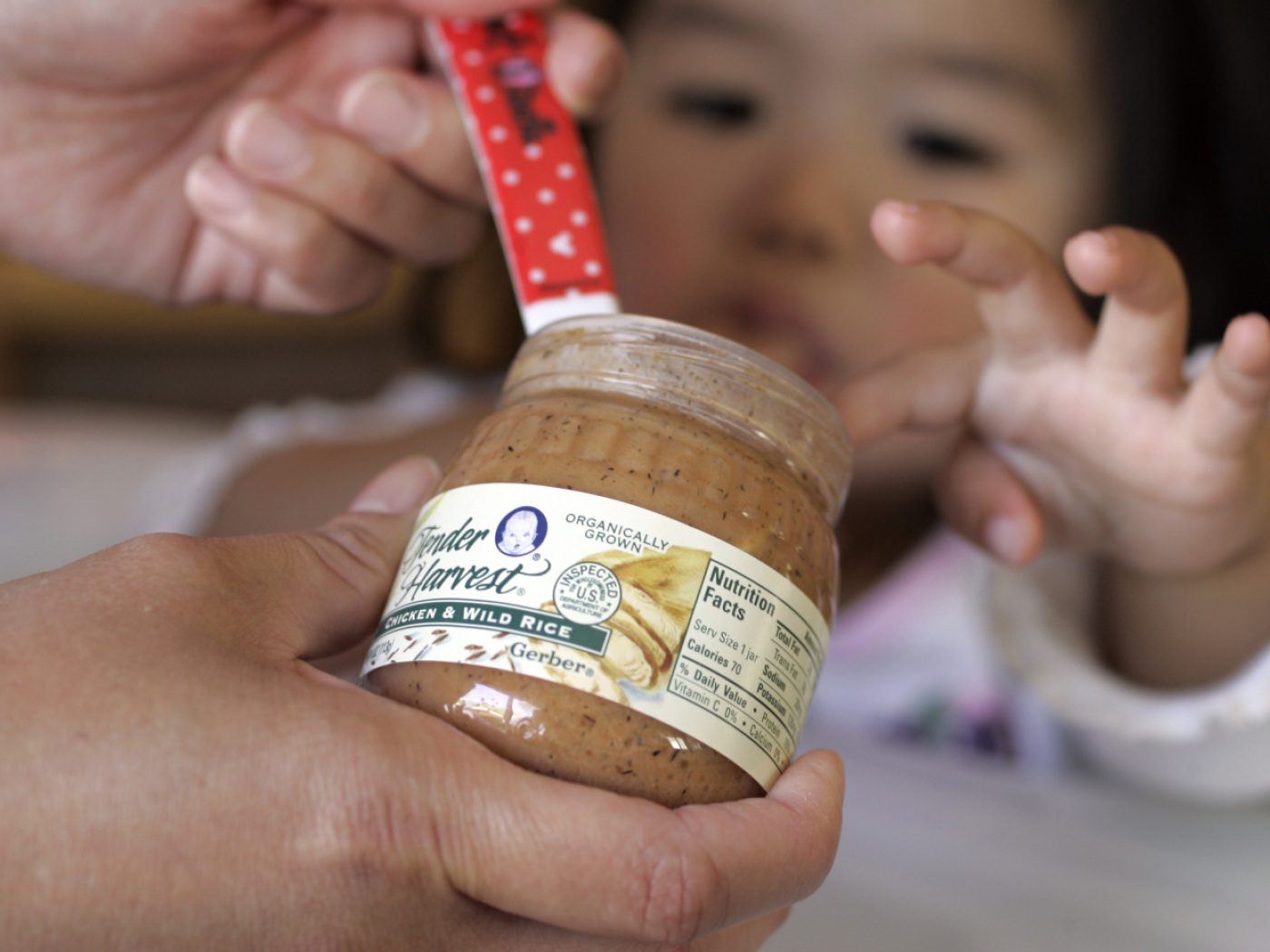
Texas Attorney General Ken Paxton has brought legal proceedings against Nestlé and its US subsidiary, Gerber Products, for misleading parents about the presence of toxic heavy metals in Gerber baby food.
Select your language
Generated with artificial intelligence.
Listening:
Nestlé sued in US over arsenic in baby food
Gerber claimed that its products were safe, rigorously tested and recommended by paediatricians. However, the company’s own tests revealed dangerous levels of arsenic and lead.
Between 2017 and 2019, Gerber used 67 batches of rice flour containing more than nine times the concentration of arsenic permitted by the federal government in bottled water, the Texas Attorney General said in a statement released on Wednesday.
Its carrots contained up to 17 times the permitted cadmium limit in bottled water. Its sweet potatoes contained nearly 10 times the permitted lead limit. “Gerber rarely carried out mercury tests. For most of this period, the company tested certain ingredients rather than the finished baby food products,” said Paxton.
+ Does infant formula have too many ingredients?
In 2021, the Alaska State Laboratory also detected two samples of Gerber rice cereal with arsenic levels exceeding the federal limit. “Gerber issued no recalls or warnings and continued to sell its products. Gerber has recalled products due to the presence of plastic and choking hazards, but never because of heavy metals,” notes the Attorney General.
According to him, these metals are neurotoxins. Federal health agencies rank arsenic, lead and mercury as the first, second and third most potentially harmful substances to human health, respectively. Moreover, in medical toxicology, there is no established safe threshold for lead or inorganic arsenic in infants, below which they would be completely harmless.
‘Broken’ promises
The subsidiary of the Vevey-based giant Nestlé had promised parents that its baby food was safe and subject to rigorous testing. “Yet its own analyses have revealed the presence of toxic metals. When a company makes promises regarding baby food, I hold it accountable and ensure it keeps them,” emphasised Paxton.
Gerber has since been displaying the test results via a QR code on its labels. “However, the heavy metal content of the food has remained unchanged, as have the safety claims on the front of the packaging,” adds the lawyer, who has brought a legal action under the Texas Unfair Trade Practices Act (DTPA).
When contacted by AWP, Nestlé was not immediately available for comment.
This is not the first scandal involving the Vaud-based group’s baby food products. Earlier this year, it issued a series of recalls of infant formula contaminated with the toxin cereulide. In early January, this recall affected 31 countries and accounted for less than 0.5% of the group’s turnover. Since then, around 60 countries have been affected, with reports of ill babies increasing, particularly in Belgium and the United Kingdom, and three suspected deaths of infants who had drunk the recalled milk being investigated in France.
+ How we produce news in English
Translated from French, reviewed by an English Department journalist.

In compliance with the JTI standards
More: SWI swissinfo.ch certified by the Journalism Trust Initiative

You can find an overview of ongoing debates with our journalists here . Please join us!
If you want to start a conversation about a topic raised in this article or want to report factual errors, email us at english@swissinfo.ch.