








Study explains what psilocybin does to the brain
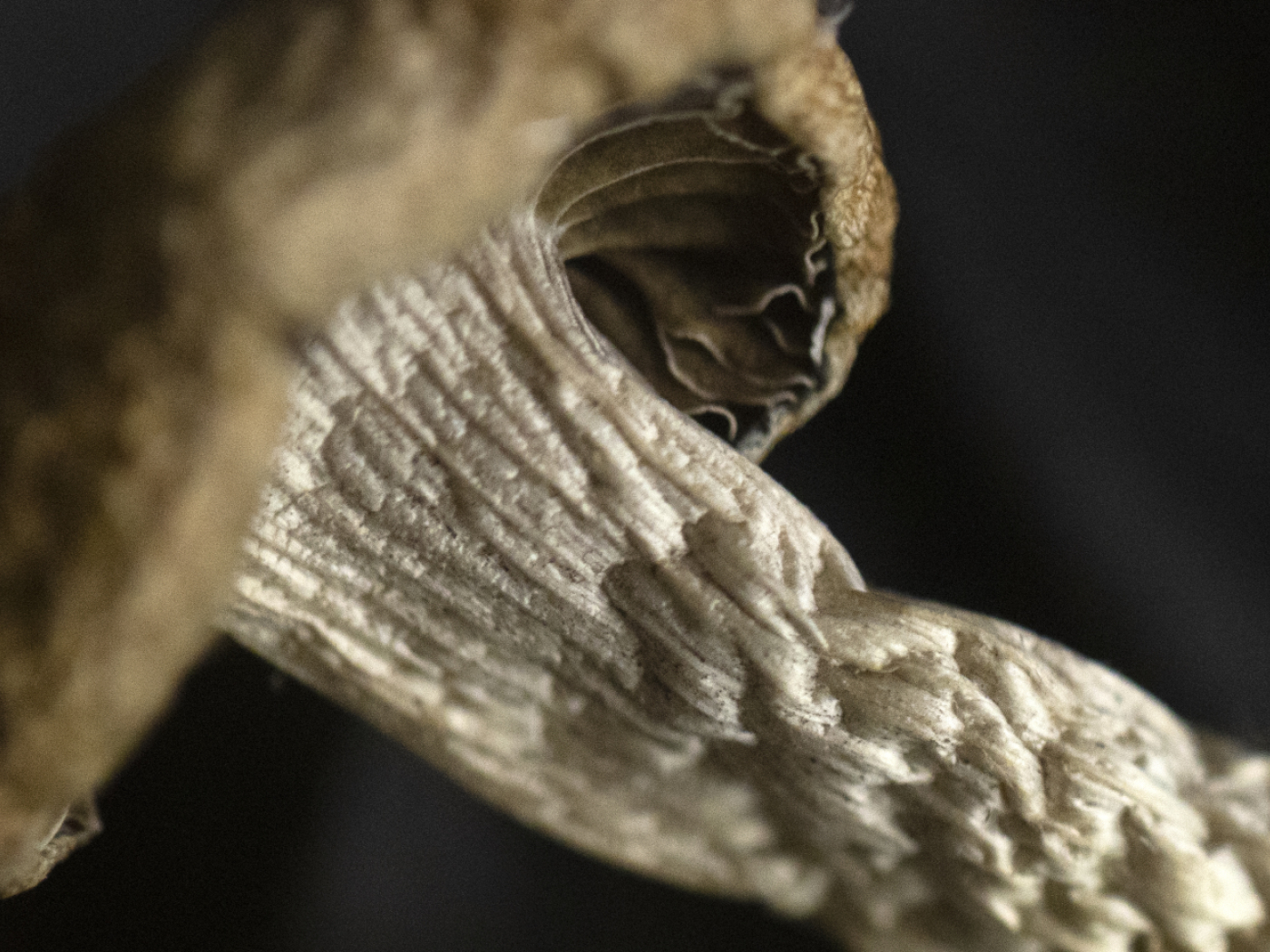
The active ingredient in "magic mushrooms" does more than just confuse the brain. Psilocybin directs brain activity more decisively towards what is happening in the present moment.
Select your language
Generated with artificial intelligence.
Listening:
Study explains what psilocybin does to the brain
A new studyExternal link published in the science journal Nature offers a fresh explanation as to why psychedelic therapy may be successful, as explained by the international research team, which includes the University of Zurich that carried out the study published today.
For years, classic psychedelics such as psilocybin, LSD and DMT (the active ingredient in ayahuasca) have raised hopes in the field of psychiatry, particularly with regard to difficult-to-treat conditions such as depression. However, it is not yet entirely clear exactly how these altered states of consciousness might lead to long-term psychological changes.
Studies conducted to date have shown that psychedelic substances loosen rigid brain networks. The so-called ‘entropy hypothesis’ posits that this creates a kind of beneficial neurological chaos: the usual order of brain activity is loosened, thereby making the brain more flexible.
In tune with the environment
The new study now paints a more nuanced picture. The researchers used brain scans to examine 62 adults with no prior experience of psychedelic substances while they were under the influence of psilocybin. During the experiment, the participants rested with their eyes closed, meditated, listened to music or watched a video.
It emerged that the brain does not simply become more chaotic. Rather, brain activity forms different patterns depending on the situation. Psilocybin therefore appears to orient the brain more towards the specific context.

More
From Jung to psychedelics: a timeline of Switzerland’s contributions to psychiatry
The researchers hypothesise that psilocybin reduces the importance of prior expectations and places greater emphasis on sensory impressions in the present moment. This could explain why, during a psychedelic experience, people may be particularly open-minded and attuned to their surroundings.
Many questions still remain unanswered
This could well hold the key to therapy: the brain might temporarily become more receptive to new experiences and perspectives. The study did indeed show that the more the participants’ brain activity was linked to their surroundings, the more intensely they experienced a sense of deep connection.
The following day, this feeling was also associated with a more positive outlook on life and a greater sense of meaning.
However, it remains to be clarified whether this greater contextual orientation actually leads to long-term psychological changes. Furthermore, the study was conducted on healthy individuals. Whether the results also apply to people suffering from depression or other mental illnesses is a question that has yet to be answered.
+ How we produce English news
Translated from Italian, reviewed by an English Department journalist.

In compliance with the JTI standards
More: SWI swissinfo.ch certified by the Journalism Trust Initiative

You can find an overview of ongoing debates with our journalists here . Please join us!
If you want to start a conversation about a topic raised in this article or want to report factual errors, email us at english@swissinfo.ch.