








More than a messenger: how Swiss diplomacy tries to improve the world
Select your language
Generated with artificial intelligence.
Listening:
More than a messenger: how Swiss diplomacy tries to improve the world
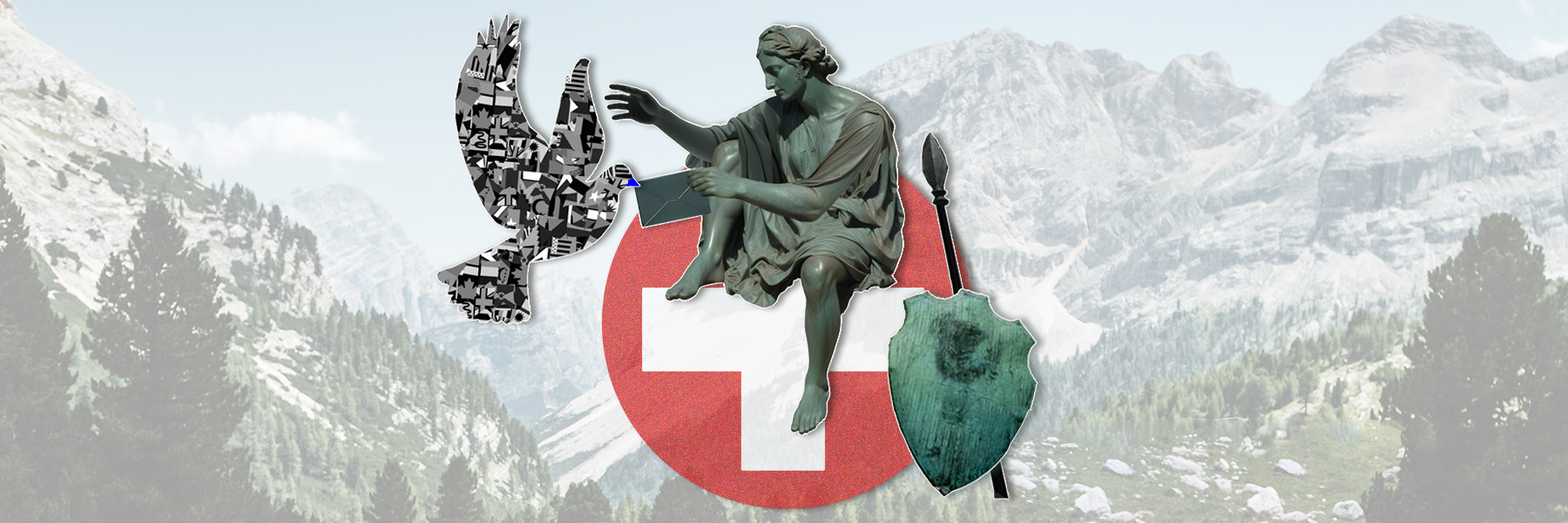
Switzerland acts as a messenger for hostile states, a neutral host for peace talks, and a promoter of peace and the rule of law, even in space. But what is the aim of its “good offices”?


When hostile states sit down at the same table, Switzerland is happy to be there. Not always as a mediator, sometimes merely as a host, and occasionally as a messenger. Its role in this is less clear-cut than the images of summit meetings might suggest. And it is less exclusive than it used to be.
The meeting between US President Joe Biden and Russian President Vladimir Putin in Geneva in 2021 was the most recent high-profile example of this diplomacy. Yet the real work usually takes place away from the cameras. The foreign ministry reports that it has supported more than 30 peace processes in over 20 countries in recent years.

More
Explainer: Why does Switzerland host peace talks?
Switzerland’s good offices are based on trust, confidentiality and perseverance. Neutrality is a key prerequisite for this. It is intended to enable Switzerland to speak to both sides of a conflict without being perceived as a party to it. However, Switzerland is by no means the only country to claim and seek this role.
Qatar, Oman, Austria and Norway, to name but a few, also act as mediators. For small and medium-sized states, peace diplomacy is a tool through which they can gain international influence. At the same time, the days of the lone mediator are clearly coming to an end. The new era belongs to what is known as “multimediation”: several states offer their contacts, infrastructure and services – thereby working towards peace and enhancing their reputation.

More
What role should Switzerland play in international peacebuilding?
Switzerland is also feeling the effects of this: one example of this new form of diplomacy is the meeting between US Vice-President JD Vance and Iranian representatives at the Bürgenstock in 2026. Qatar owns the luxury hotel on the mountain. Switzerland provided the security arrangements for the meeting, while Qatar covered the accommodation costs.
For Swiss diplomacy, this growing competition is not merely a matter of prestige. It affects its business model. For if other states have equally good or better contacts with the parties to a conflict, neutrality and Geneva’s status as an established venue for international meetings are no longer sufficient to secure Switzerland’s influence.
Yet Switzerland still possesses several historically established advantages that enable it to maintain its status. These include its protecting power mandates: Switzerland facilitates communication between hostile parties. The heyday of this diplomatic “postman” role, however, is long past. After the Second World War, Switzerland at times represented 35 states in over 200 individual mandates. Today, it has just eight, of which its representation of the US in Iran is the best known.
Like neutrality, the protecting power mandates also make it difficult for Switzerland to take a stance in conflicts. But that is part of the concept. Treading a fine line is part of Swiss foreign policy, and Switzerland is a master at avoiding taking a firm stance. As geopolitics becomes increasingly polarised and the major players act ever more aggressively, this Swiss approach is becoming ever more difficult to maintain.
More
Where Switzerland stands on the Iran war
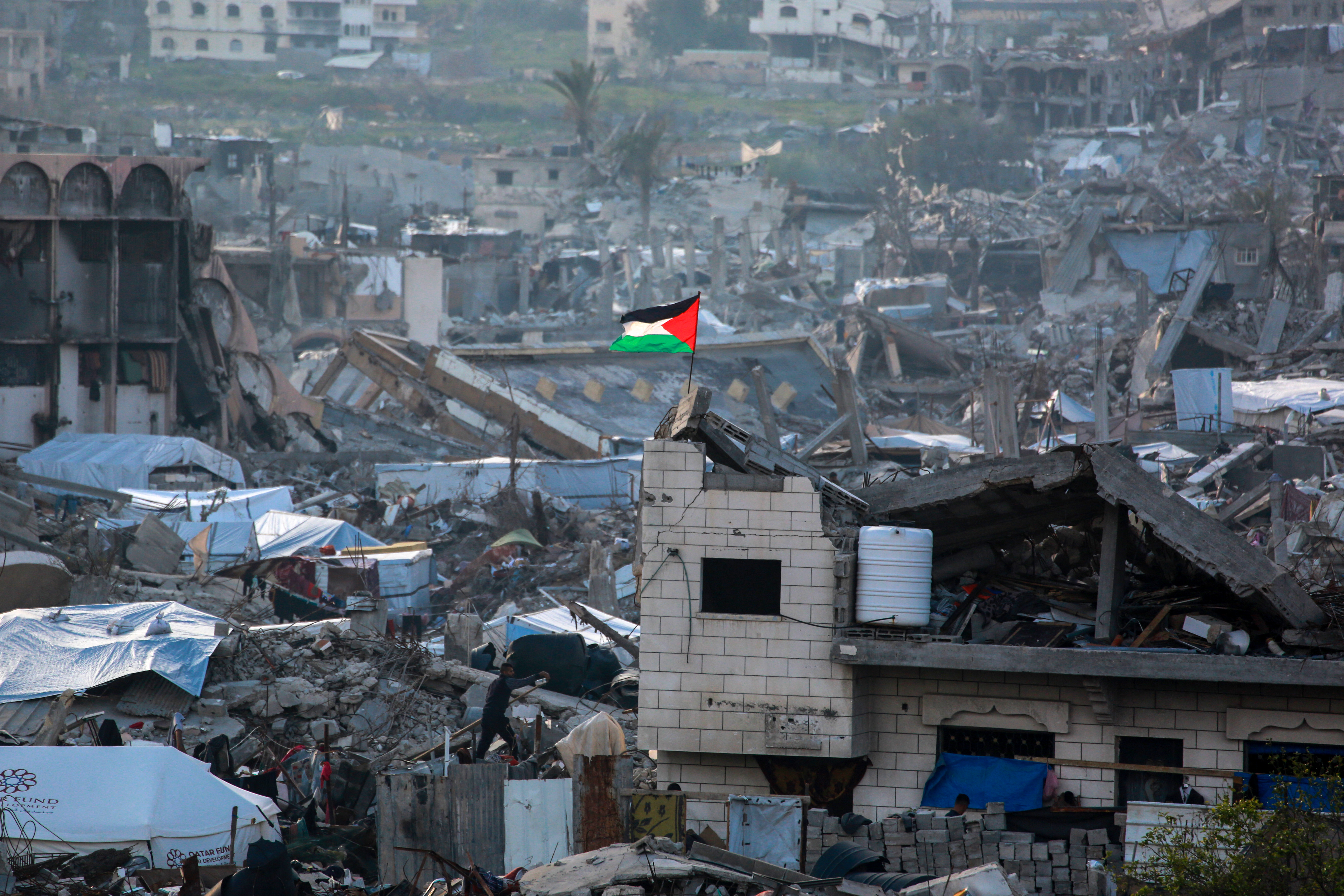
Recent domestic political debates on neutrality reflect the country’s search for its role in geopolitics. Switzerland’s habit of keeping all options open is increasingly met with a lack of understanding both at home and abroad. The government continues to practise this approach, for example in the Palestinian question. Unlike most countries in the world, Switzerland does not recognise Palestine as a state. It advocates a two-state solution and makes its recognition of Palestine contingent upon its implementation.
More
Why Switzerland doesn’t recognise Palestine as a state
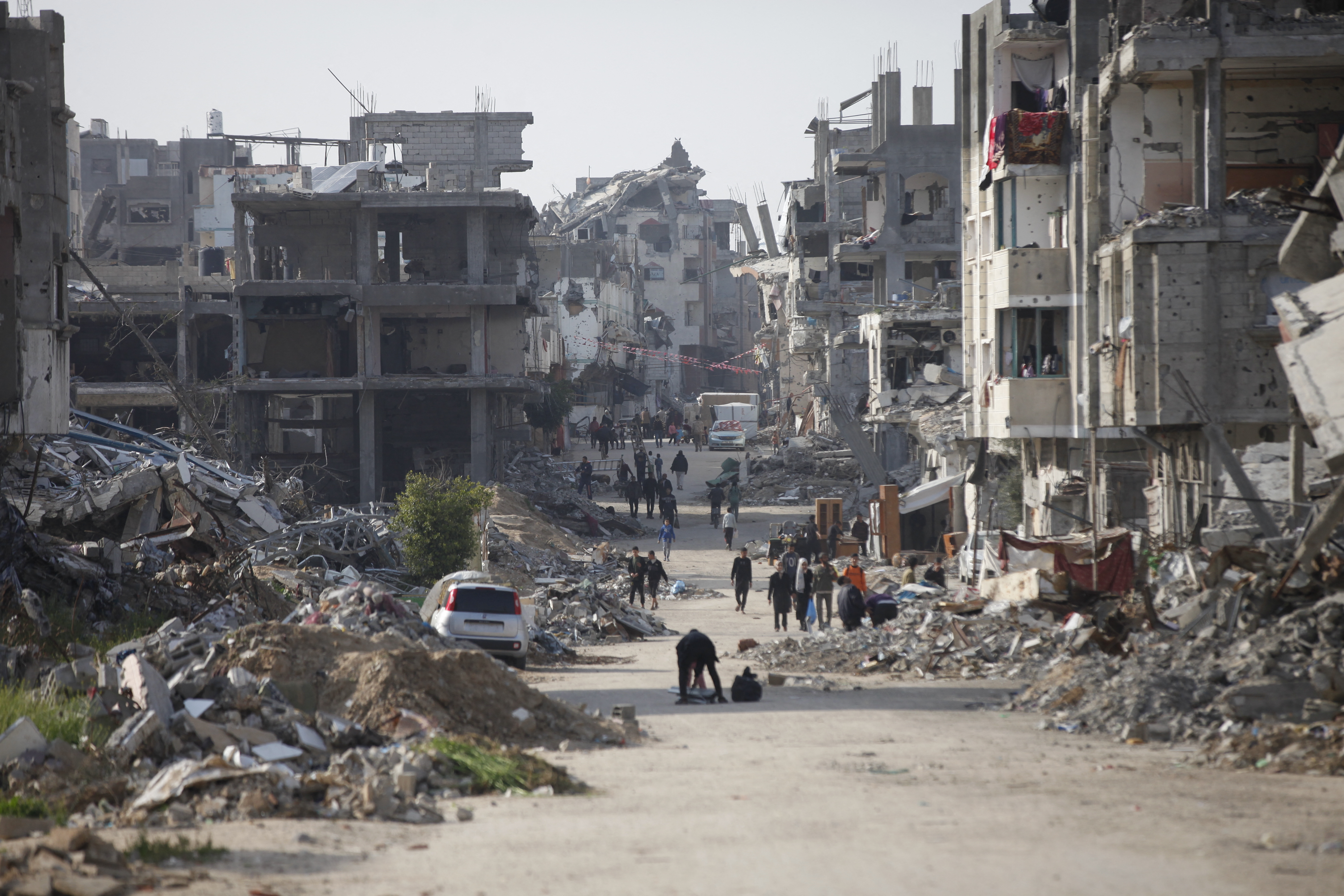
Switzerland’s diplomatic efforts are also under pressure due to its role within the UN. As the depositary state of the Geneva Conventions, it was tasked by the UN General Assembly in 2024 with organising a conference on the Fourth Geneva Convention, again in the context of the Israeli-Palestinian conflict. Switzerland was less than enthusiastic: diplomatically speaking, there was nothing to be gained from a topic that divides the world into two camps. It later even cancelled the conference – due to a lack of participants and because several countries had expressed their displeasure at the final declaration.
More
The international conference that Switzerland doesn’t want but must organise
Despite such nuances, the UN headquarters in Geneva and the numerous other organisations based there are arguably the greatest asset of Swiss diplomacy. However, Switzerland no longer has any guarantees for “International Geneva”. The funding crisis facing the UN and other organisations, triggered by a change in US policy, has set a process of erosion in motion. The high cost of living in Switzerland is contributing to this. And other locations are already seeking to capitalise on the situation.
None of these developments alter Switzerland’s self-image. Good offices are part of this small country’s image and remain at the heart of its foreign policy. Forward-looking initiatives, such as science diplomacy or efforts to regulate artificial intelligence, also stem from this.
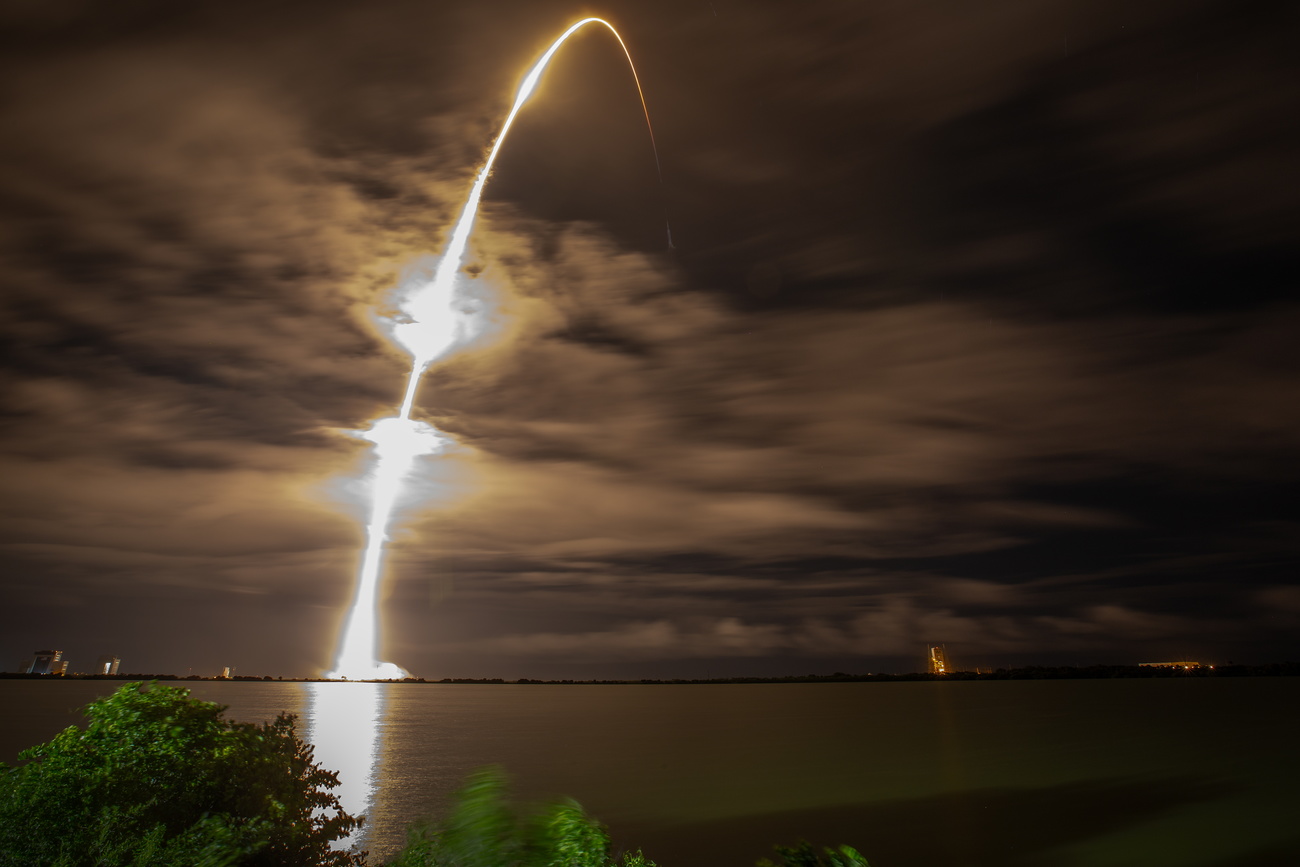
Switzerland’s activities have long extended beyond Earth. For instance, it is committed to a safe, stable and sustainable space by working to establish international rules of conduct for state and commercial actors.
More
Switzerland eyes mediation role amid rising risk of conflict in outer space
Helping to shape the rules of the game and mediating conflicts. This is how Switzerland envisages its role in the world: as a referee between the major powers, shaping world affairs almost unnoticed.
Edited by Balz Rigendinger; adapted from German by Patrick Huwyler/ds

More
Our newsletter on geopolitics

In compliance with the JTI standards
More: SWI swissinfo.ch certified by the Journalism Trust Initiative
