








Meat-like lentils developed by Swiss scientists
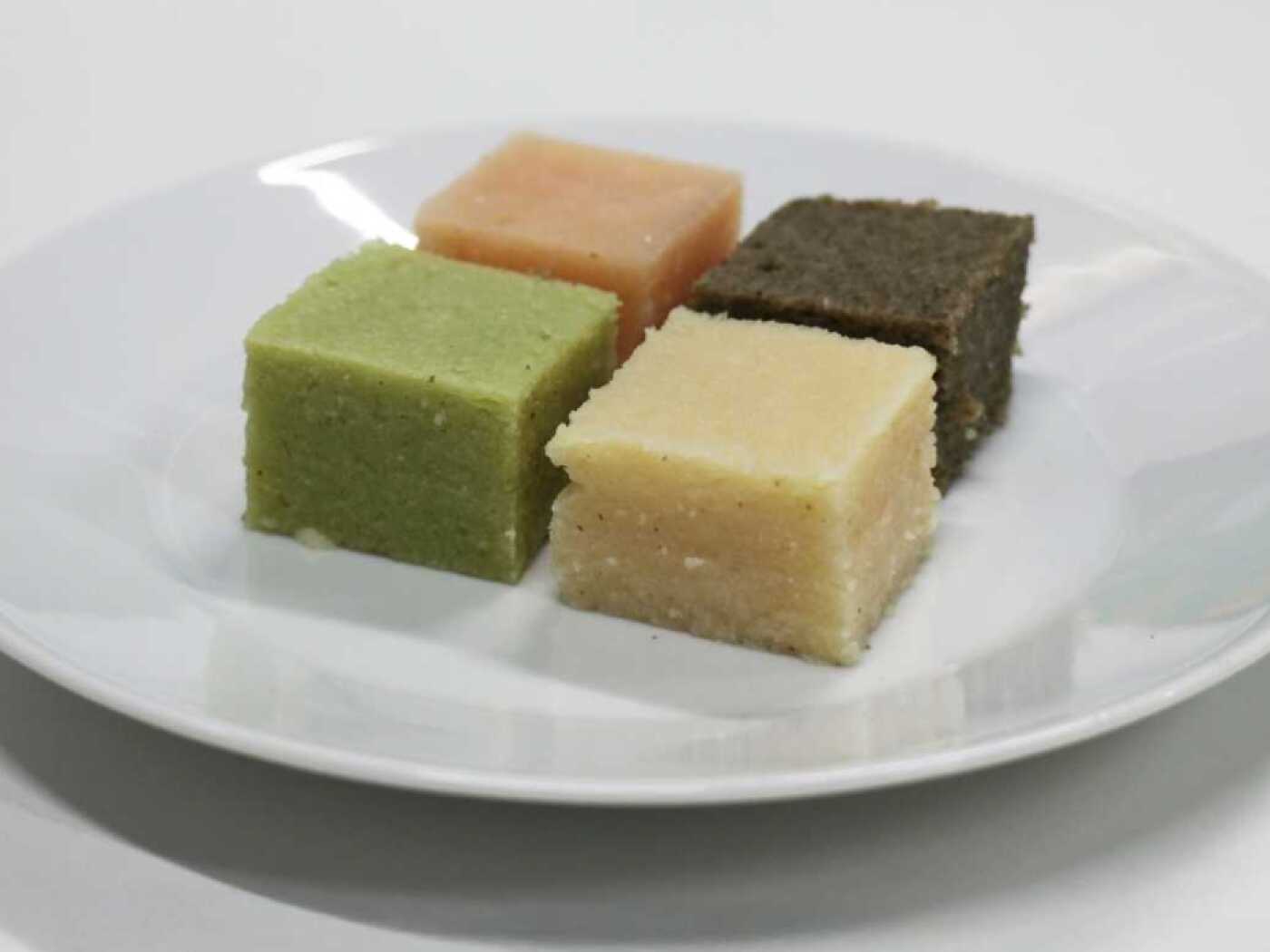
A meat-like texture made from lentils and beans: researchers at the federal technology institute ETH Zurich have developed a new method for giving whole pulses a fibrous structure.
Select your language
Generated with artificial intelligence.
Listening:
Meat-like lentils developed by Swiss scientists
For the process, the researchers soaked the pulses, puréed them and heated the mixture to 90°C for 30 minutes, ETH Zurich said on Tuesday. This produced a gel. They then froze this gel selectively from one side. To do this, they used a mould that is insulated all round, except on one side.
The directional growth of ice crystals created parallel layers within the mixture, the researchers report in the journal NPJ Science of Food. This fibrous structure remained intact after thawing and provided a distinctive bite reminiscent of meat or fish, explained project leader Patrick Rühs. The aim is to utilise the harvested produce as a whole as far as possible and to reduce food waste.

More
Plant-based meat market in Switzerland set to grow to CHF361 million by 2030
According to the researchers, the process worked with a wide variety of pulses, which account for 96% of global production. Depending on the variety and water content, textures of varying firmness were produced. For example, red lentils yielded a firmer structure than soya beans.
“The new method is so simple that anyone can easily use it in their own kitchen,” said PhD student Andrea Bach. The research group is leaving the development of specific recipes to professional chefs. Next, the scientists intend to investigate in more detail how the different consistencies can be specifically controlled.

More
Swiss court bans animal names for vegan meat substitutes
+ How we produce news in English
Translated from German, reviewed by an English Department journalist.

In compliance with the JTI standards
More: SWI swissinfo.ch certified by the Journalism Trust Initiative

You can find an overview of ongoing debates with our journalists here . Please join us!
If you want to start a conversation about a topic raised in this article or want to report factual errors, email us at english@swissinfo.ch.