








Six Swiss individuals that are making the world a better place
Researching cancer treatments, saving coral reefs or developing sustainable packaging: these Swiss individuals are working to make the world a little bit better.
The coral reef gardener
A white sandy beach, rippling turquoise water and swaying coconut palms: the Maldives is where people spend a luxury holiday getaway. But Ahmad Allahgholi from Basel and his team work here to save the coral reef. He gave up his job as a banker to save coral reefs from dying out on the coast of the Maldives. With his non-profit organisation “Coralive”, Allahgholi now runs one of the largest underwater reforestation projects in the world.
The one that helps the most under-privileged
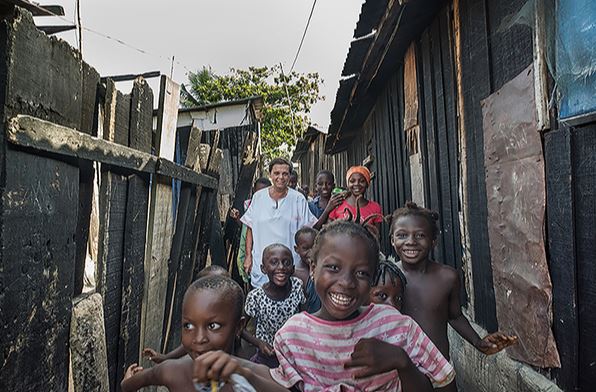
Almost half of all the inhabitants of Ivory Coast live below the poverty line. Many live in slums without access to running water or sanitation.
It is here where Lotti Latrous works to give many local people a new perspective: 24 years ago she built an outpatient clinic, a hospital for the dying and an orphanage in Grand Bassam, is a town in south-eastern region of the Ivory Coast. She was crowned the “Swiss Woman of the Year 2004” and today she receives up to 250 people daily who are seeking help in one of the centres she and her husband have built. In these centres, she accompanies the terminally ill with dignity until their death.
The cancer researcher
It all started with a refrigerator full of bacteria: Simon Ittig received this unusual gift from his doctoral supervisor when his professor retired. He came up with the idea of developing a new cancer therapy using these bacteria by chance.
These bacteria, which are usually found in spoiled pork, cause diarrhoea. With his start-up T3 Pharma, Simon Ittig is working towards modify these bacteria so they grow specifically in tumours and fight them. The treatment is still in the test phase and the start-up founder is hesitantly optimistic. But he says, “We are on a good path.”
The innovative mushroom-harvesters
Moritz Schiller and his friends have a very specific vision: they want to develop a sustainable material that replaces plastic packaging and plastic insulation materials.
The solution? A raw material made from mushrooms. This new packaging material is ecologically degradable and the resources it requires to make it grow back quickly. The three friends are still working on automated processes which would make the sustainable Styrofoam substitute cheaper and suitable for mass production.
The mine sweepers
Currently, hundreds of kilometres of minefields stretch across Ukraine. These minefields pose a major problem for the civilian population. Affected areas are no longer accessible or inhabitable and also affect agriculture production.
The Swiss Foundation for Demining (FDS) has taken on the task of demining the affected regions. The foundation also trains people who know the regions in demining.
Cambodia’s paediatrician
Paediatrician Beat Richner, who died in 2018, left behind an incredible life’s work: The Zurich native built five children’s hospitals in Cambodia after the Kantha Bopha hospital was destroyed under the Khmer Rouge rule.
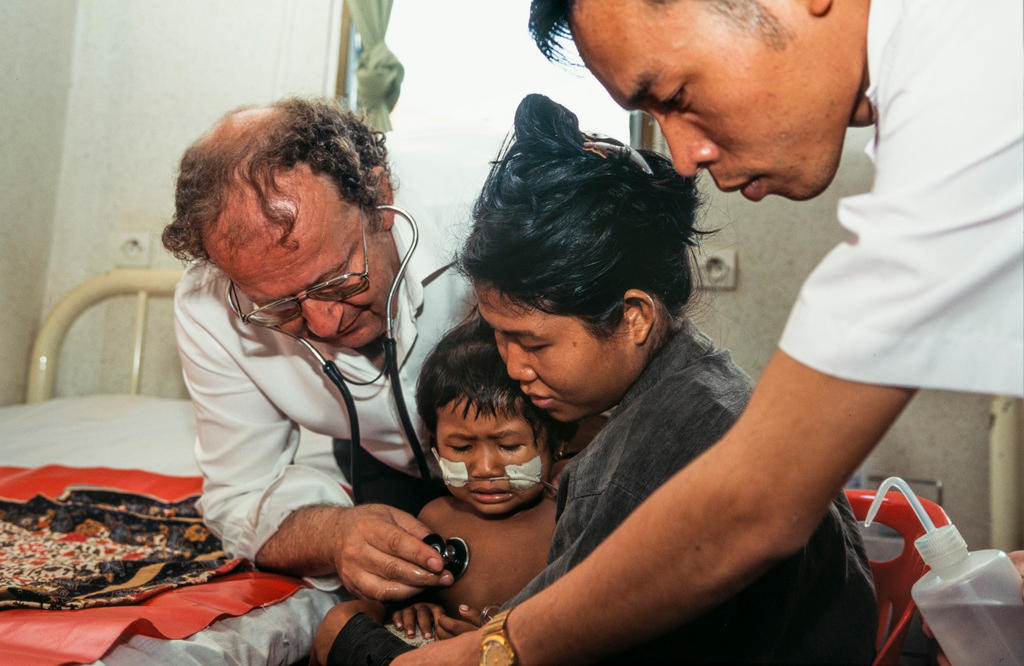
On the fifth anniversary of Richner’s death, how much of “Swissness” is still in his hospitals today? More than 80% of hospital admissions of children and the youth take place in the facilities of the Kantha Bopa Children’s Hospital Foundation. Although the influence from Switzerland is diminishing, an important transfer of knowledge between Swiss paediatricians and the hospitals in Cambodia remains to this day.

In compliance with the JTI standards
More: SWI swissinfo.ch certified by the Journalism Trust Initiative

You can find an overview of ongoing debates with our journalists here . Please join us!
If you want to start a conversation about a topic raised in this article or want to report factual errors, email us at english@swissinfo.ch.