








Born abroad? How to keep your Swiss citizenship

Every year, thousands of young Swiss Abroad turn 25. For some of them, this is an important deadline: anyone born abroad who fails to take action in time may lose their Swiss citizenship. Here’s what you need to know.
Select your language
Generated with artificial intelligence.
Listening:
Born abroad? How to keep your Swiss citizenship

Many Swiss citizens living abroad assume that Swiss citizenship is automatically passed down from one generation to the next. In principle, this is correct: Switzerland follows the principle of descent, known as ius sanguinis. Anyone with a Swiss parent can acquire Swiss citizenship regardless of their place of birth.
However, there is one important exception. Anyone born abroad who holds another nationality in addition to Swiss citizenship and fails to meet certain deadlines may lose their Swiss citizenship.
How can you prevent this? We have summarised the key points below.
Who can lose Swiss citizenship?
The rule does not apply to all Swiss citizens living abroad. It applies to people who were born abroad, hold another nationality in addition to Swiss citizenship and fail to meet the statutory deadlinesExternal link. Consequently, Swiss citizenship can be forfeited in this way only if the person concerned holds another nationality in addition to Swiss citizenship. This prevents anyone from becoming stateless.
Register your child’s birth abroad
The most important step does not come only at the age of 25. For parents, the following applies: if your child is born abroad, you should report the birth to the relevant Swiss embassy or consulate as soon as possible. The diplomatic mission will ensure that the birth is entered in the Swiss civil register. Taking this step early often saves a great deal of effort later on.
Respond to the Swiss mission
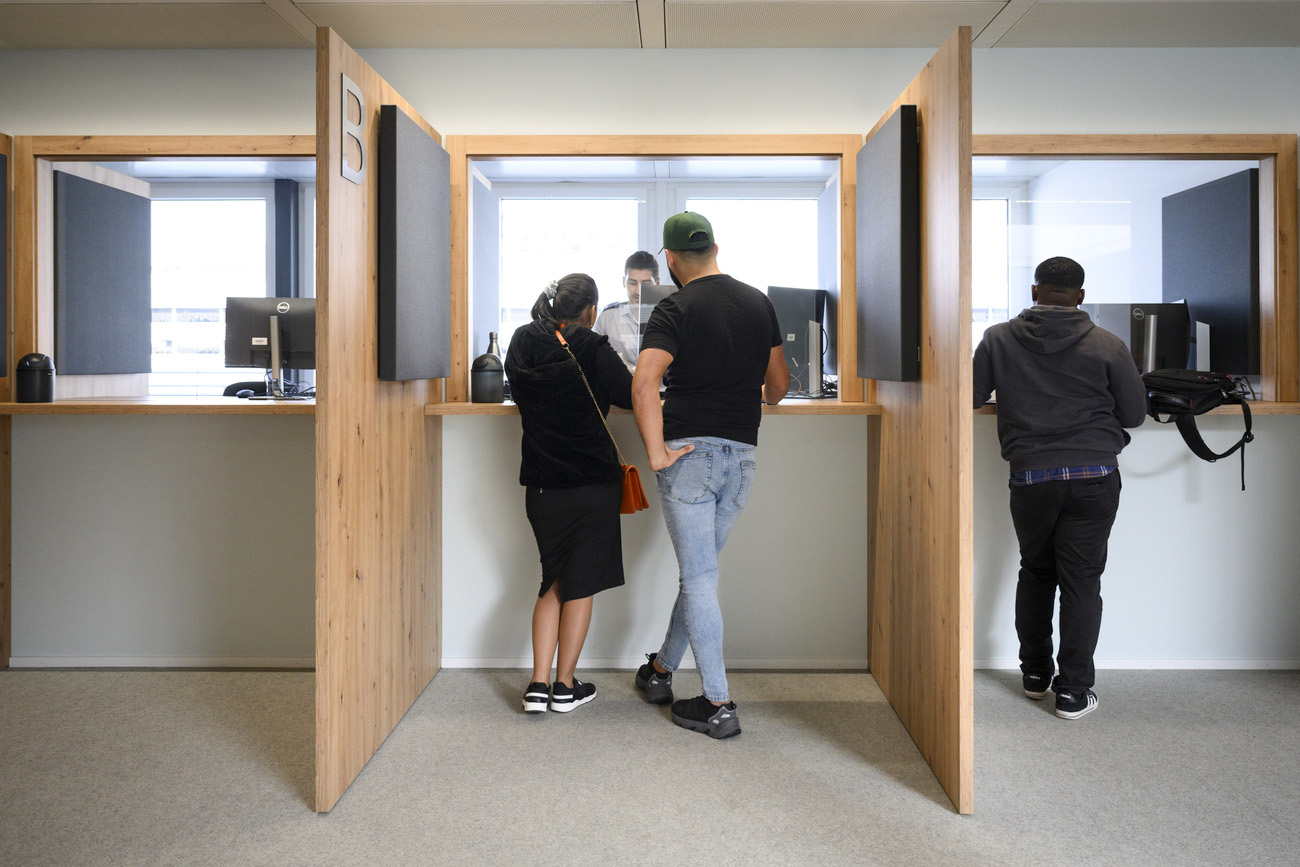
Once they reach the legal age of majority, the relevant Swiss mission will ask young Swiss Abroad to confirm their registration in the Register of Swiss Citizens Abroad. This letter should not be ignored. According to the foreign ministryExternal link, this registration is important so that you can “stay in touch with Switzerland”, make use of consular services and – provided you register to vote – take part in federal votes and elections.
Through the Young Swiss AbroadExternal link project, the foreign ministry aims to better inform young Swiss Abroad about their rights and obligations. This also includes information on training, study and employment opportunities in Switzerland.
Check your status before 25
The most important deadline is your 25th birthday. If you wish to retain your Swiss citizenship, you should check by this date at the latest whether you are registered with a Swiss authority and whether your details in the registers are correct.
At least one of the following conditions must be met:
• You are registered with a Swiss diplomatic mission or consulate.
• Your birth was recorded in the Swiss civil register.
• You have registered yourself with a Swiss authority.
• You have declared in writing that you wish to retain Swiss citizenship.
Anyone who fails to take action by this date will automatically lose their Swiss citizenship, subject to the legal requirements.
The deadline was extended from 22 to 25 years following the 2018 revision of the Citizenship Act. Citizenship expert Barbara von Rütte believes that these additional three years will help some of those affected maintain contact with Switzerland. “It may well be precisely these three years that make the difference, because this is often the time when people look for study or work opportunities in Switzerland,” she says.
Missed the deadline? You can still regain citizenship
The loss of citizenship is not always permanent. Anyone who loses Swiss citizenship through forfeiture can, in principle, apply for re-naturalisation within ten yearsExternal link. This is possible regardless of whether the person lives in Switzerland or abroad. The sooner you act, the easier it is to regain citizenship.
Figures from the State Secretariat for Migration (SEM) show that deadlines are frequently missed: over the past ten years, more than 4,000 descendants of Swiss citizens living abroad have applied for facilitated naturalisation. Many only learnt as adults that their entitlement to Swiss citizenship was subject to deadlines and formal notifications. Nevertheless, the proportion of naturalisations initiated from abroad remains low compared with the total number – in 2024, there were 608, compared with 40,077 within Switzerland.
External Content
After ten years, regaining citizenship gets harder
Anyone who allows this ten-year period to lapse can, as a rule, only be naturalised again if they have lived in Switzerland legally and continuously for at least three years. For descendants of Swiss citizens, there are now simplified procedures for obtaining a permit for such a stay. Nevertheless, this route involves considerably more effort than applying in good time before one’s 25th birthday.
Losing citizenship can affect your children
The loss of Swiss citizenship has consequences not only for the person concerned. If citizenship is lost and not regained in good time, it can no longer be passed on to one’s children.
“There is a chain of dependency here,” says von Rütte in this Swissinfo article. “Once the chain is broken, it becomes increasingly difficult to regain Swiss citizenship. The closer you are to losing it, the more likely you are to regain your citizenship.”
In brief
Anyone born abroad who holds another nationality in addition to Swiss citizenship should bear three things in mind in particular:
• Register births with the Swiss mission as early as possible.
• Confirm your registration when asked to do so by the embassy or consulate.
• Do not miss the deadline before your 25th birthday.
More

Edited by Balz Rigendinger, sub-edited by ts

In compliance with the JTI standards
More: SWI swissinfo.ch certified by the Journalism Trust Initiative

You can find an overview of ongoing debates with our journalists here . Please join us!
If you want to start a conversation about a topic raised in this article or want to report factual errors, email us at english@swissinfo.ch.