








‘We will miss glacier meltwater,’ warns Swiss scientist

Today's droughts are being intensified by a warmer climate. Rising temperatures draw more moisture from the soil, making dry spells more severe than in the past, says Swiss climatologist Erich Fischer. The disappearance of glacier meltwater will only deepen future droughts.
Erich Fischer is a climatologist at the federal technology institute ETH Zurich. He researches extreme weather events and develops worst-case climate scenarios to help society, policymakers and businesses prepare for the future. He is also a lead author of the Intergovernmental Panel on Climate Change (IPCC) reports.

SRF News: Climate scientists and the IPCC have been criticised for not warning strongly enough about the risks of climate change.
Erich Fischer: We hear that quite often now. A journalist recently asked a French colleague who has worked in climate communication for 20 years: ‘Why didn’t you tell us how serious the situation would become?’ Yet ten years ago, we were often accused of being alarmist. When you look at the images we’re seeing today, reality itself is alarming.
SRF News: Why hasn’t the message got through?
E.F.: The challenge is translating scientific figures into something people can feel. If we say there are now three times as many tropical nights, many people struggle to grasp what that means in practice – it can still be over 30°C at ten o’clock at night.
More
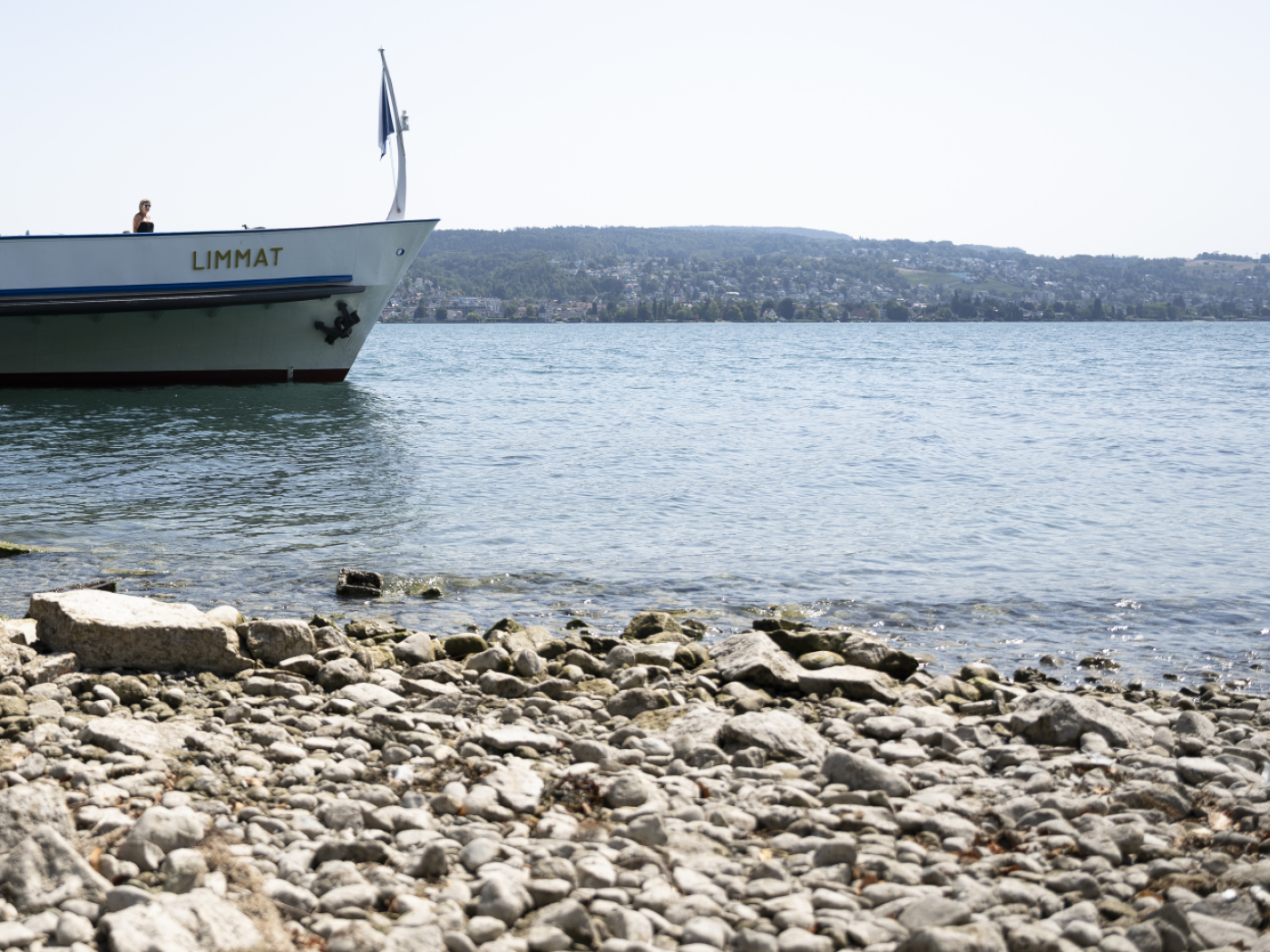
Drought causes Swiss water levels to fall to record lows
SRF News: The current drought is being compared to the drought of 1540 [an unprecedented 11-month megadrought]. Is that a fair comparison?
E.F.: Although this dry spell has not lasted nearly as long, the context is different. We are living in a warmer climate, and warmer atmosphere is effectively thirstier. Air that is 3°C warmer can draw up to 20% more moisture from the soil. So even with the same rainfall deficit, the situation is worse today.
SRF News: Will conditions get worse?
E.F.: Yes. In the future, we will also miss the meltwater supplied by glaciers. For now, it still helps sustain Alpine rivers. Once the glaciers are gone, this compensating factor will be lost.
More
Why melting glaciers affect us all
SRF News: For the next IPCC report, you are studying climate tipping points, including changes to the Gulf Stream. Tell us more about this.
E.F.: We know from Earth’s history that tipping points exist. The key question is whether they could be triggered in the near future. The Gulf Stream is partly driven by a circulation system in the North Atlantic that relies on dense, salty water sinking. Large amounts of meltwater could reduce salinity and weaken that mechanism. We are investigating such possibilities through “what-if” scenarios.
More
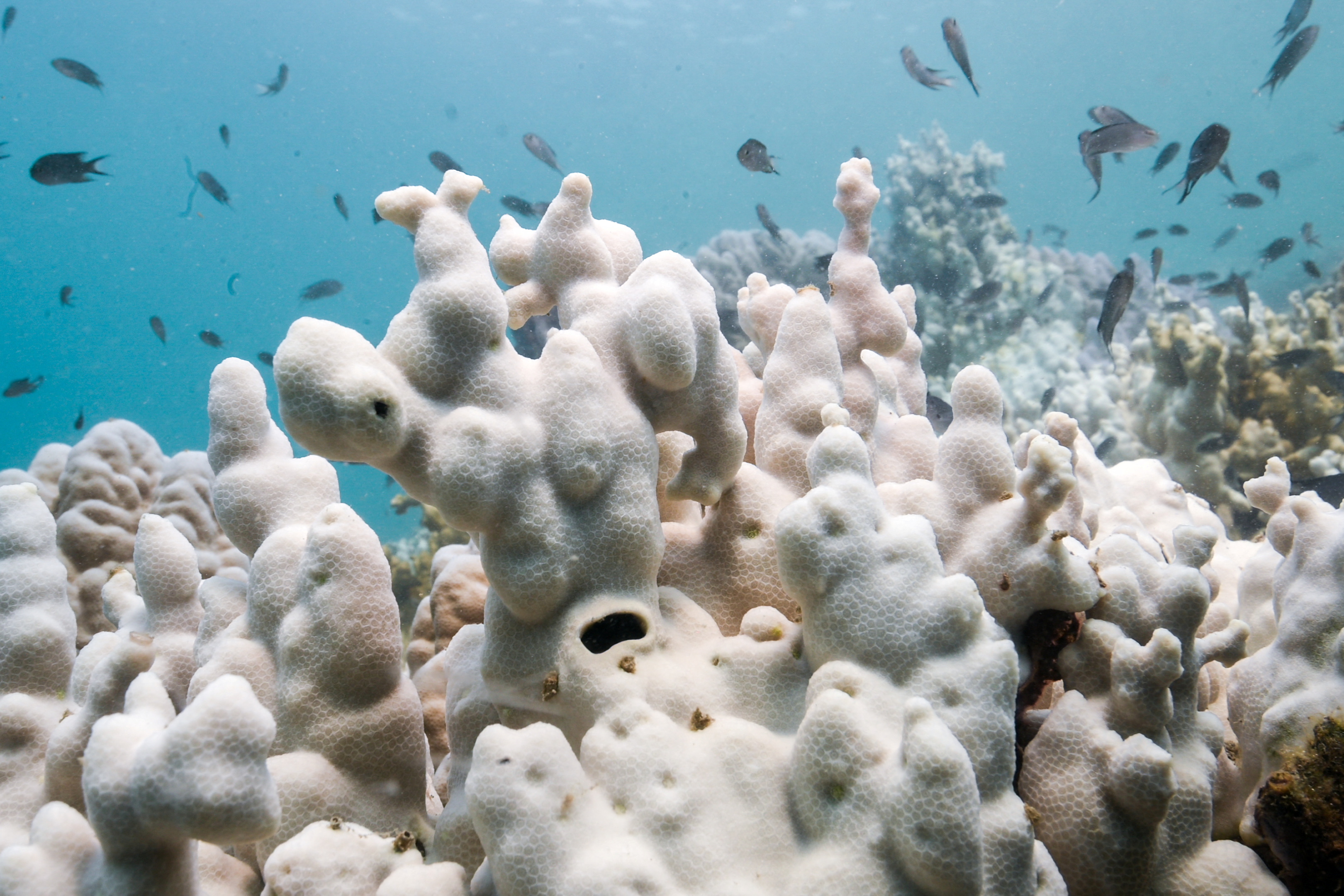
Scientists sound alarm over climate ‘tipping points’ ahead of COP30
SRF News: What could happen?
E.F.: One worst-case scenario is a much drier Europe in summer, combined with significantly colder winters, especially in Northern Europe. Climate models indicate winter temperatures could be between 1°C and 10°C lower. Such changes would dramatically increase seasonal contrasts and create major challenges for society.
SRF News: Would the effects be limited to Europe?
E.F.: No, the consequences would be global. One of our biggest concerns is that monsoon systems would also be severely affected. Two to three billion people depend on these systems. The heat that no longer reaches us would have an impact elsewhere.
Erich Fischer is Professor of Climate Science at the federal technology institute ETH Zurich. He completed his doctorate in 2007 at ETH’s Institute for Atmospheric and Climate Science. He subsequently worked as a postdoctoral researcher at the National Center for Atmospheric Research (NCAR) in Boulder, Colorado, and as a visiting researcher at the University of Reading in the UK before returning to ETH Zurich.
Translated from German, sub-edited by ts

More
What Switzerland needs to learn from earlier and longer heatwaves

In compliance with the JTI standards
More: SWI swissinfo.ch certified by the Journalism Trust Initiative

You can find an overview of ongoing debates with our journalists here . Please join us!
If you want to start a conversation about a topic raised in this article or want to report factual errors, email us at english@swissinfo.ch.