








Swiss drought aids fight against Japanese beetle

The current drought is helping to prevent the spread of Japanese beetles in Switzerland. Measures against the invasive pest are working despite discovery of new populations Bern and cantons St Gallen and Zug.
Select your language
Generated with artificial intelligence.
Listening:
Swiss drought aids fight against Japanese beetle
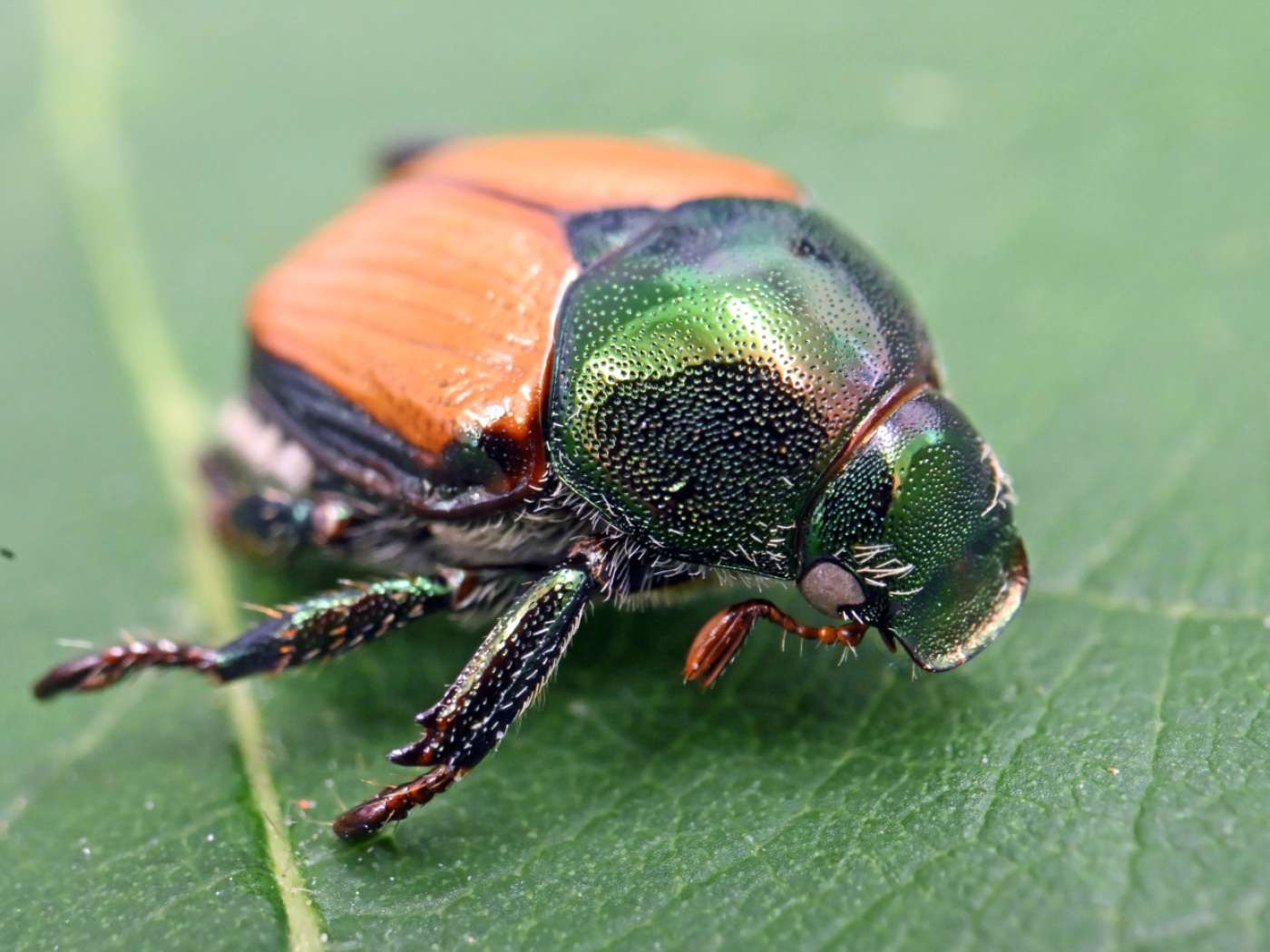
The Japanese beetle has established itself in Switzerland after initially making an appearance in Basel and then in the southern canton of Ticino.
Now, further regions in Switzerland are affected. In recent weeks, specimens of the voracious insect have been reported in the cities of Bern, Zug, and Baar, canton Zug, Buchs, canton St Gallen and the Rhine Valley.
+ How Switzerland is battling invasive species
Authorities in various locations are now taking drastic measures – such as a ban on watering lawns. Green waste may also not be removed from the infested area.
Meanwhile, there is positive news from the beetle front in the Basel region. Initial figures from 2026 show that although the Japanese beetle has arrived here, the initially feared explosive increase in its population has not yet materialised.
Three years ago, the first Japanese beetles were discovered near Münchenstein, in the canton of Basel Land, just outside the city of Basel. Since then, experts have been monitoring the situation with more than 100 traps. Some 71 beetles have been caught so far this year. This is slightly more than last year, when just under 50 were recorded.
More
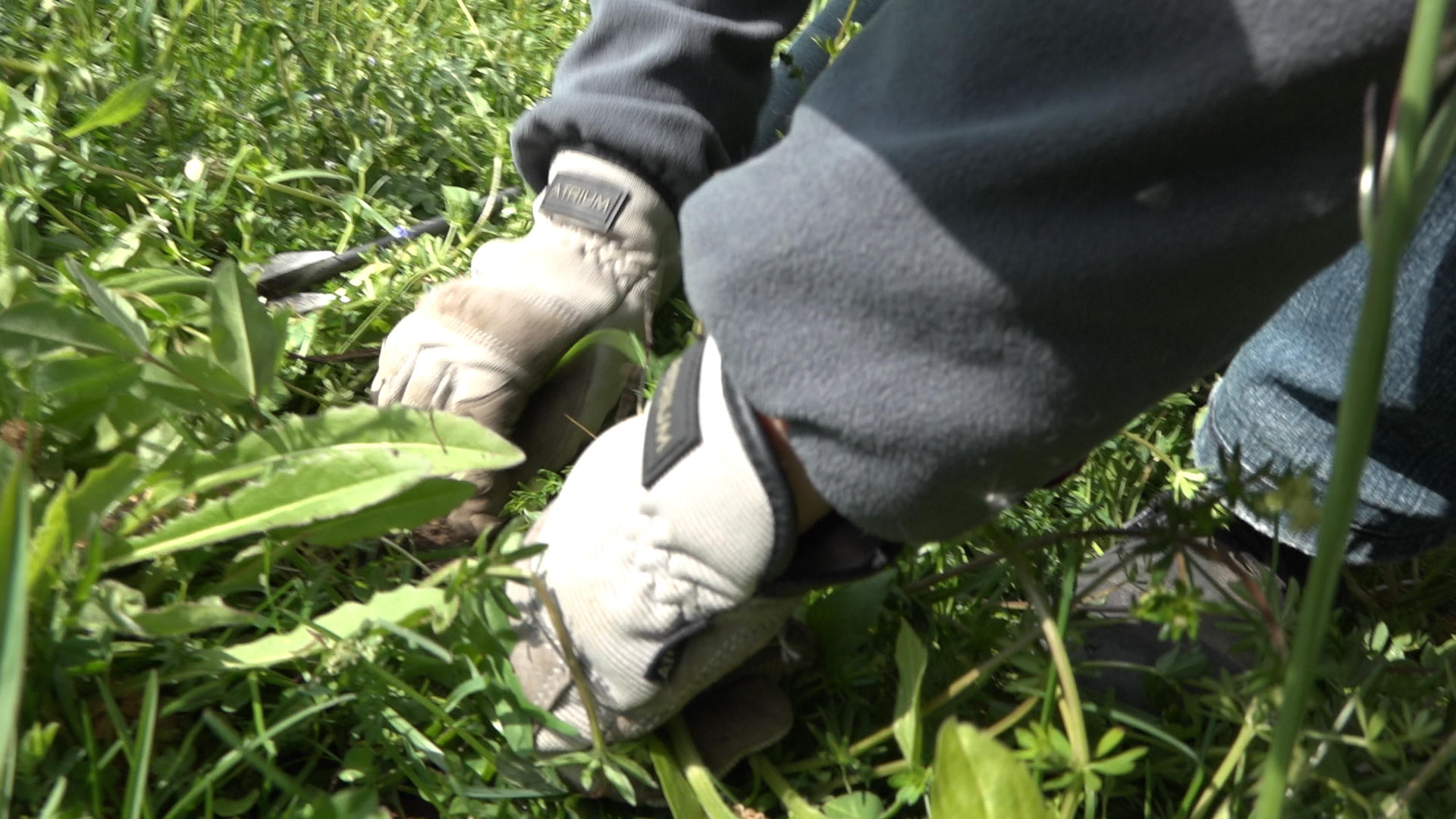
Hunting down invasive plant species
The Basel region is far from experiencing conditions like those in Ticino, says Christoph Böbner, head of the Ebenrain Center for Agriculture, Nature and Nutrition. “The traffic light is still orange. But we are not seeing a population explosion. That is reassuring.”
Watering restrictions
The fact that the situation in the Basel region has developed relatively smoothly so far is likely also due to the current weather. The ongoing drought is making it difficult for the pest to reproduce. The females prefer to lay their eggs in damp lawns. Sufficient moisture in the soil is necessary for the larvae to develope.
+ Lake invaders: alien shellfish trouble Swiss waters
The drought is therefore helping the authorities in their fight against the Japanese beetle. At the same time, it presents experts with a dilemma. On the one hand, the soil needs to dry out as much as possible because of the Japanese beetle, but on the other hand, trees and other plants are suffering from the drought and urgently need water.
“The risk of trees being damaged is quite high,” says Böbner. Therefore, those responsible in the two Basel cantons, together with the federal government, decided against a general ban on watering and instead issued only a recommendation.
Despite the positive developments this year, authorities in the Basel region cannot yet give the all-clear. The Japanese beetle infests more than 400 plant species, including grapevines, fruit trees, corn, and numerous ornamental plants. In Ticino and northern Italy, the beetle has already caused millions of francs in damage.
Complete eradication of the Japanese beetle is probably no longer possible, says Böbner. The goal now is to slow its spread as much as possible and gain time for new control methods. “During this time, we are working with research institutions and international partners to find out how we can control the beetle,” he said.
More
Campaign launched to stop the spread of Japanese beetles in Switzerland
+ How we produce English news
Translated from German, reviewed by an English Department journalist.
External Content

In compliance with the JTI standards
More: SWI swissinfo.ch certified by the Journalism Trust Initiative

You can find an overview of ongoing debates with our journalists here . Please join us!
If you want to start a conversation about a topic raised in this article or want to report factual errors, email us at english@swissinfo.ch.