








European gas reserves low but not yet critical
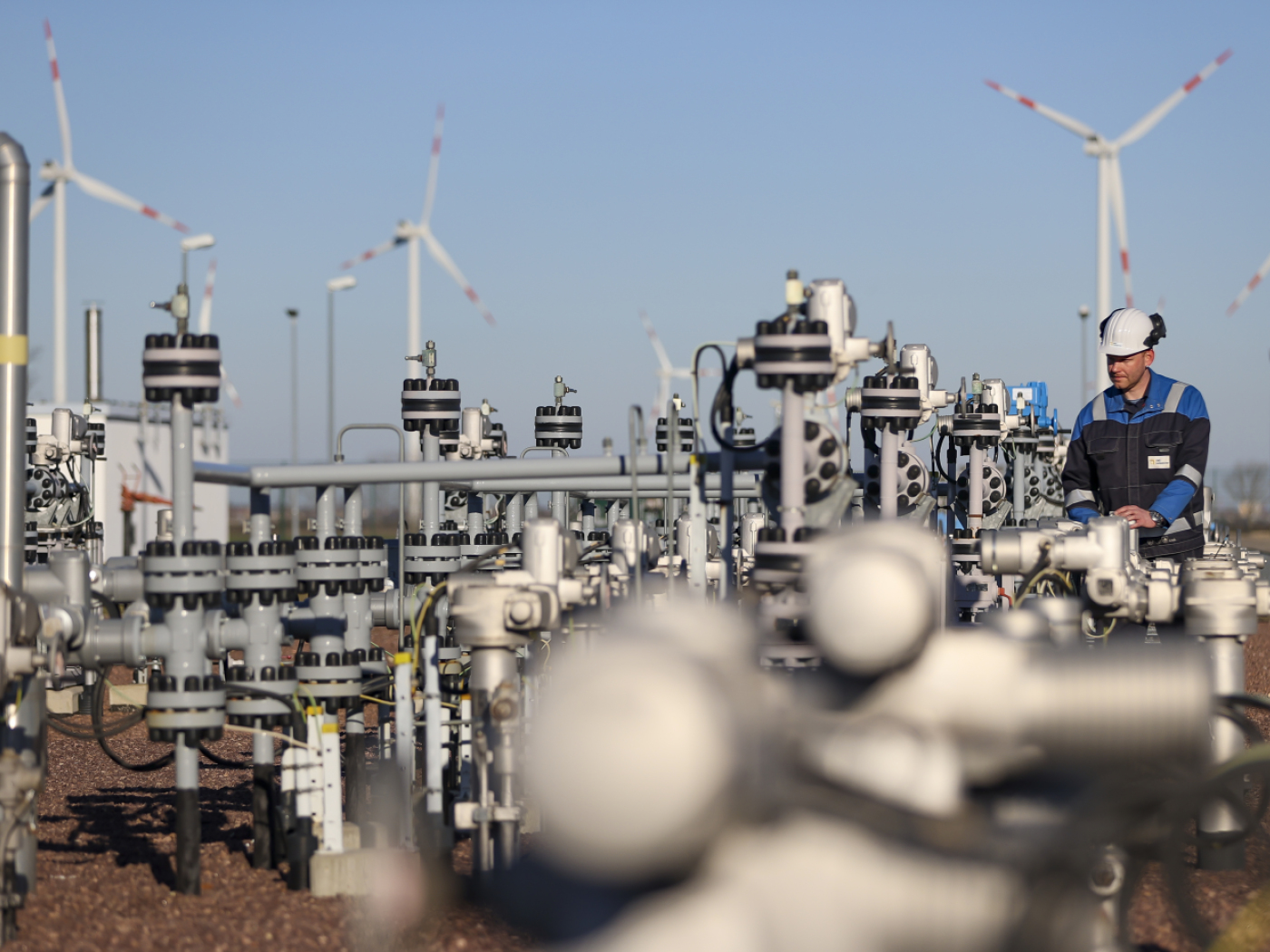
The Middle East conflict has depleted European gas storage capacities below the normal range. Experts do not expect the shortfall to be made up in time for winter.
Select your language
Generated with artificial intelligence.
Listening:
European gas reserves low but not yet critical
“European gas storage levels are very low, and they are likely to remain low as we head into winter,” Andy Sommer of the Swiss energy group Axpo told the AWP news agency. He estimates they will rise to 70% to 75% by the late autumn compared to typical levels of 85% to 90%.
More
Where Switzerland gets its oil and gas
These figures would be at the lower end of the historical range, but not yet critical. However, it is a level that makes the system more vulnerable to shocks. “The key factor is how cold the winter will be,” says Sommer.
Switzerland dependent on Europe
At present, gas storage facilities in the EU are 50.9% full, according to data from the industry association Gas Infrastructure Europe. This level is therefore below the long-term average: over the past ten years, the figure at this time of year has been 66%.
+ Why Switzerland depends heavily on fossil fuels
Switzerland has no commercially operated gas storage facilities and is dependent on other countries’ reserves. Germany has the largest storage facilities, accounting for around 17% of total capacity in Europe. It is followed by Italy, the Netherlands and France.
Gas storage has traditionally been an attractive option because natural gas prices are generally lower in the summer, making it worthwhile to store gas then and resell it in winter at higher prices.

More
Global energy turmoil: how resilient is Switzerland?
However, according to the Zug-based MET Group, gas prices in Europe have also been significantly higher than in previous years since the spring, due to the war in the Middle East and the cessation of liquefied natural gas (LNG) supplies from Qatar.
Following the suspension of LNG supplies from the Middle East, Asia is paying higher prices for gas from Qatar than Europe.
Gas market changing
The business model of gas storage operators is therefore no longer as effective as it used to be. According to MET, European market participants are currently speculating that they will be able to store more gas later in the summer.
Gas storage levels have risen slowly but steadily in recent weeks and there is currently no acute supply problem. Thanks to the infrastructure for liquefied natural gas that has been expanded in recent years, Europe can be supplied with gas even during the cold season.
The supply situation in Europe will only become critical if, during the winter, cold weather, high demand and limited import capacity or delivery difficulties were to occur simultaneously.
MET states that there will therefore continue to be situations in the future where Europe will compete with Asia for the same volumes of LNG.
+ How we produce English news
Translated from German, reviewed by an English Department journalist.
External Content

In compliance with the JTI standards
More: SWI swissinfo.ch certified by the Journalism Trust Initiative

You can find an overview of ongoing debates with our journalists here . Please join us!
If you want to start a conversation about a topic raised in this article or want to report factual errors, email us at english@swissinfo.ch.