








Dying with dignity, living with freedom: Denis Côté on ‘Nobody’s Violence’
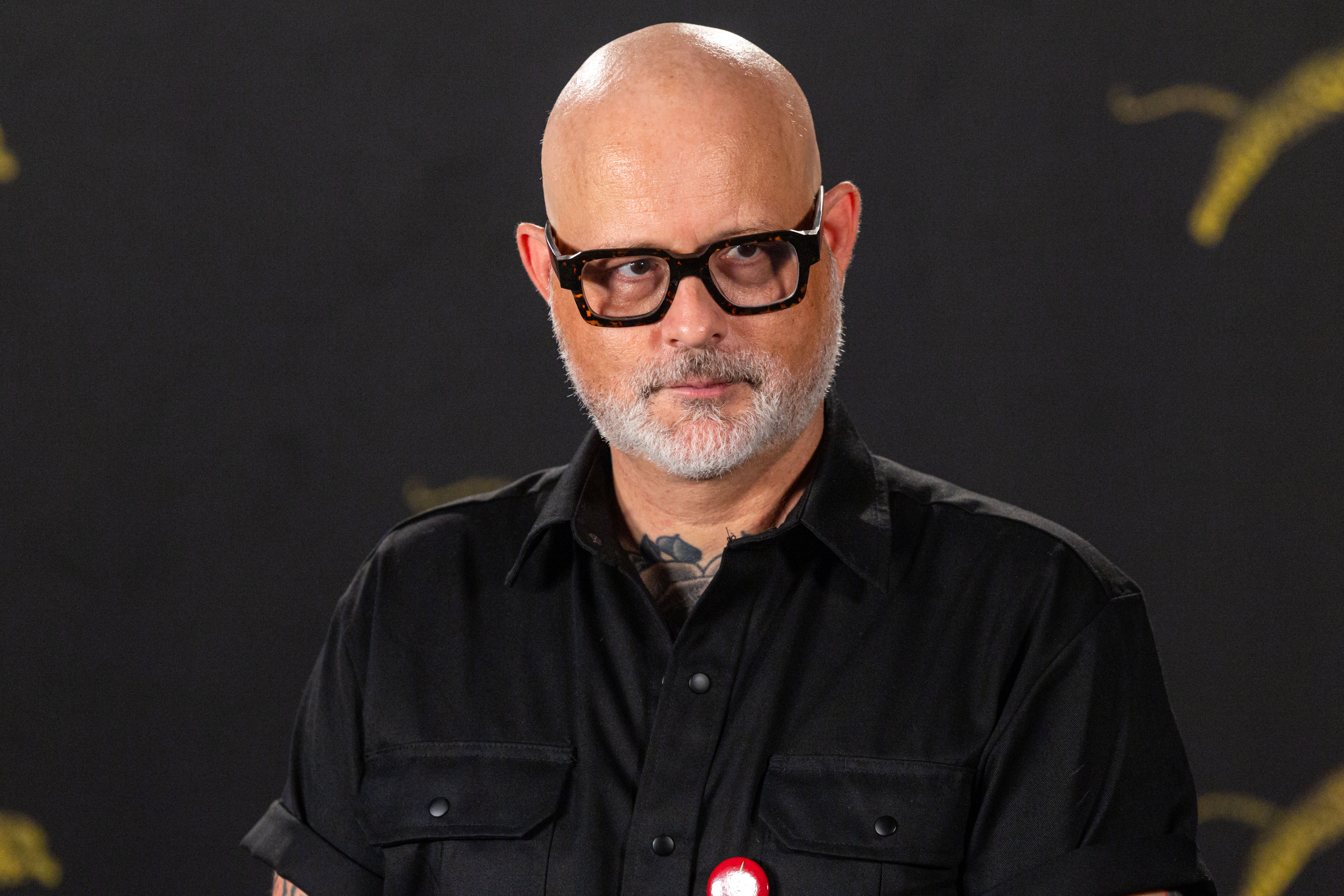
In his latest film, premiered in Locarno, Canadian filmmaker Denis Côté follows a woman who delivers assisted death to strangers. But beneath the film’s meditation on mortality lies a deeply personal story of illness, survival and artistic renewal.
Select your language
Generated with artificial intelligence.
Listening:
Dying with dignity, living with freedom: Denis Côté on ‘Nobody’s Violence’
Though Switzerland has historically been home to some of the highest rates of assisted suicide in the world, a new player has joined the global leaderboard: Quebec, the home province of Canadian filmmaker Denis Côté, where reports indicate that medical assistance in dying (the Canadian term, with the acronym MAID) now accounts for roughly 8% of all deaths annually.
Côté, a longtime regular at the Locarno Film Festival, where he’s collected more than a few awards since his debut in 2005, insists that his latest film, Nobody’s Violence (Violence du corps de l’autre in the original French), is not intended as a political statement on assisted suicide.
“Obviously I’m going to get some questions about that with my film,” Côté told Swissinfo. “But it’s not a documentary. It’s not a comment on the subject.”
Perhaps viewers ought to be the judge: Nobody’s Violence stars frequent Côté collaborator Larissa Corriveau as Mira, a young woman who says little and about whom we know even less, only that her job seems to consist of providing a fatal poison to people that have requested it.
External Content
Life and death à la canadienne
MAID – only legal in Canada since 2016, some 70 years after it was legalised in Switzerland – has been a hot-button issue in Côté’s home country. Plans to make individuals who suffer from mental health issues eligible for assisted suicide have been delayed until 2027, a postponement being challenged in court and in the pages of The New York TimesExternal link. It’s an uncomfortable national conversation and one that, willingly or not, Coté’s latest quasi-experimental fiction film participates in.
In Côté’s lengthy filmography (he says he tries to produce a film a year), Nobody’s Violence harkens most closely back to Ghost Town Anthology (2019), his first collaboration with Corriveau, also shot on Super 16mm film, and also set in rural Quebec. The earlier film was Côté’s attempt, in his way, at a horror film. In a tiny Quebecois town, the closure of a local mine prompts existential questions for the population’s continued viability, questions that are exacerbated when the recently deceased begin to appear walking the town’s empty streets.

Côté stages a strange interplay of life and death in these two films, speaking of mortality as a practical reality for his characters to deal with. In Ghost Town Anthology, civic leaders convene at a town hall to discuss the living dead. “You will probably continue to see these apparitions,” one public official says. “Our advice is to stay calm, and try to live your lives as usual.”
More
How film and literature have influenced the acceptance of assisted suicide
Looking at death up close
If removing death from its discursive pedestal and dealing with it in pragmatic terms is the mandate of MAID advocates, it was also a matter of necessity for Côté when he was writing Nobody’s Violence. In 2007 he was diagnosed with kidney insufficiency, a condition that worsened significantly over the years. He wrote Nobody’s Violence at his lowest point: kidneys functioning at 15%, wondering if he would soon be able to function at all without dialysis.
“Ghost Town was connected with my degenerative situation,” Côté said of this dark time in his life. “Then it got worse and worse. You start having this concrete, unconscious dialogue with death at all times. Since I didn’t want to make an autobiographical film about my condition, for Nobody’s Violence I created this character of Mira.”
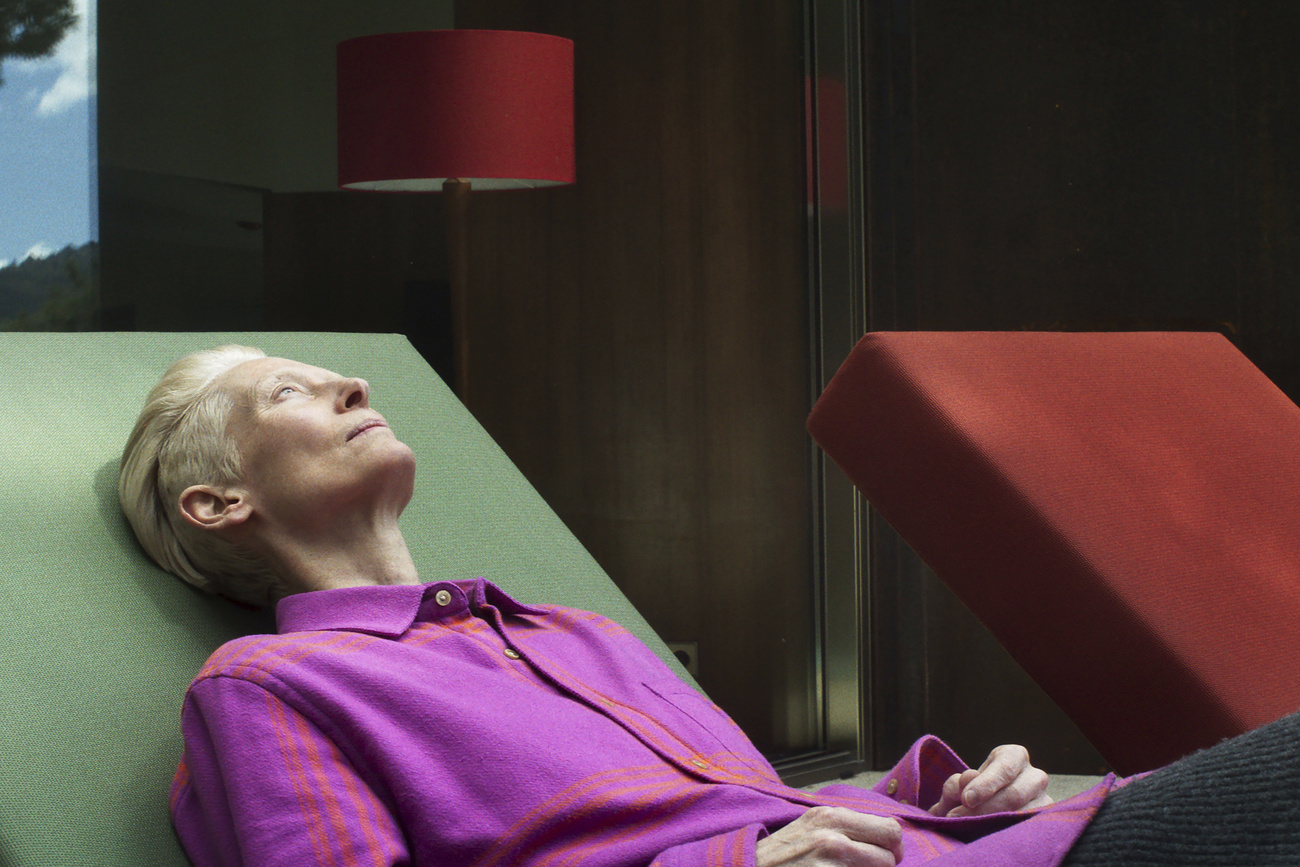
Corriveau portrays Mira as a kind of alienated angel of death. In the film’s first section, she arrives demurely at various locales – a car park, a suburban home, a metalhead’s basement – and provides individuals, young and old, with a fatal dose of poison, to be taken with water.

Cinematographer Vincent Biron’s camera admits a certain warmth through its numerous light leaks, but Côté’s film observes a strict formal discipline in these early scenes: when the person has taken the poison, the frame will hold only on Mira. The semantic difference between helping people to kill themselves and killing them oneself is placed under significant pressure in these moments. Watching Mira, the viewer observes as she tries her hardest to maintain a distance from the crucial act: this is nobody’s violence, her face seems to impart, not hers.
Staring at life, reborn
Côté saw something of himself in Mira, with one foot in this world and one, through her work, in the next. “She’s in between worlds,” he mused.
But in August 2023, after Nobody’s Violence was written but before it was shot, Côté’s world changed: he received a long-awaited kidney transplant. His vitality regained, the director started to look at his morose script with fresh eyes. If death had led the dance in previous films, he wanted to give life a turn.
“I just had more energy on set,” he said. “I was ready for everything, and I wanted to insert a lot more liberty into the way we were shooting the film. I was totally open to improvisation and longer days of shooting, which I was too tired for, before. I was open to new ideas.”
The most controversial scene in Nobody’s Violence has nothing to do with MAID. For the middle section of Côté’s film, the taut structure of the opening episodes gives way to an extended improvisatory dinner sequence. Mira self-exiles to the sidelines, and the viewer slowly pieces together that the assembled merrymakers form the shady company for which she works, a black-market MAID alternative.
Côté, to his credit, clarifies nothing, leaving the viewer to languish in mystery for as long as possible – a vibes-based interlude either “flaccid and aimless”, per one review, or exhilarating, depending on taste.
Lost in creation
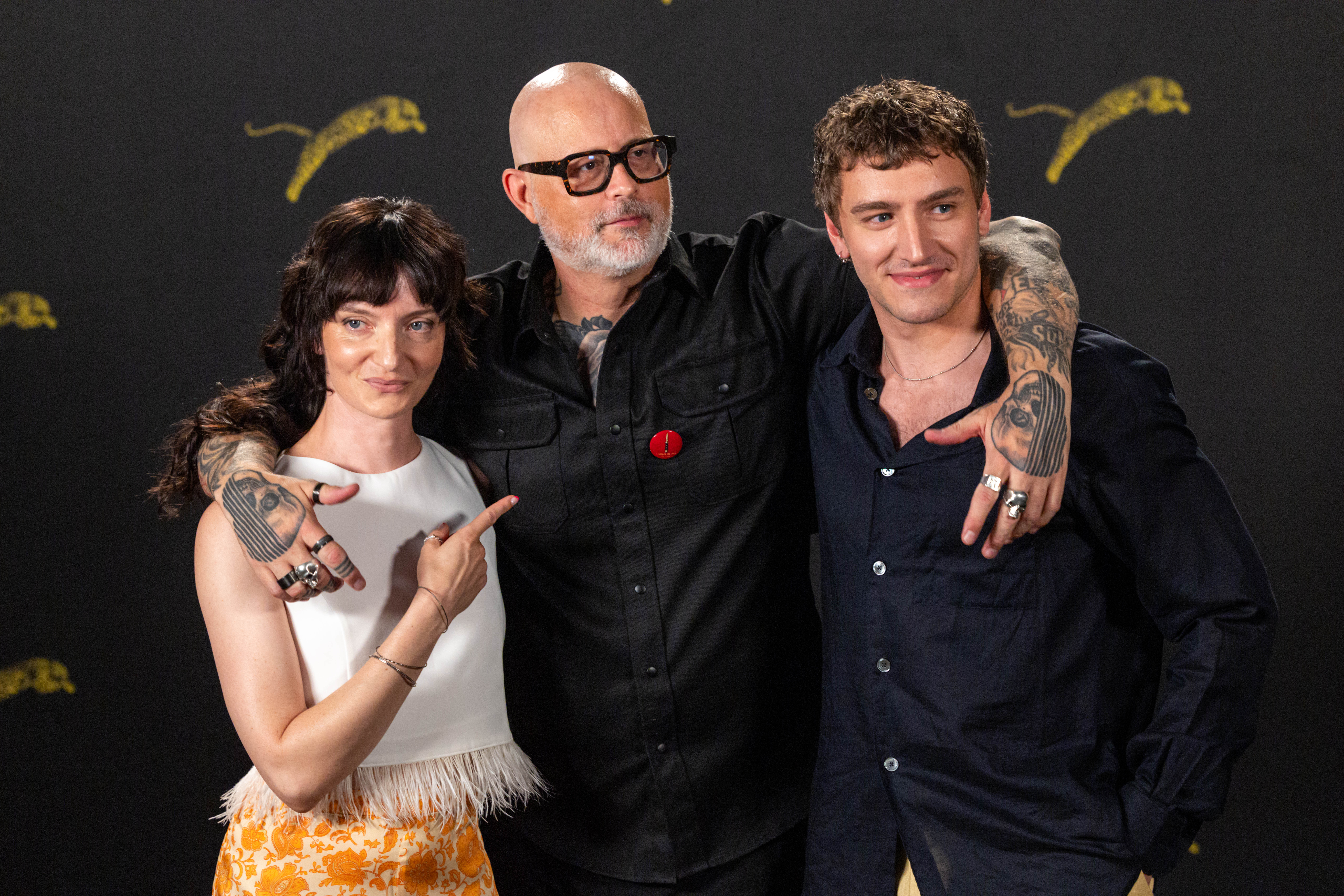
“I’m a bit like the audience,” Côté said. “I like to be lost in front of my own creation. When you control everything, you’re just executing something. But when you’re in front of that long dinner scene, you don’t know how to put the pieces together. It’s active. It’s fun.”
Fun isn’t a word one might think to apply to Nobody’s Violence at a script level, but the film’s fascinating production history, intertwined with the ups and downs of Côté’s health, introduces a tension in every shot. The script’s fixation on death and mortality vies with the film’s renewed obsession with life, in all its mysteries, light leaks, and flights of fancy. A project about dying with dignity finds inspiration in living with dignity, too.
“I want to continue making these free films,” Côté says at the end of the interview. “I want to try stuff, instead of growing old, growing bourgeois, with these very clean and organised scripts. If I can go on, I want to go on with a very loose cinema.”

More
Young voices, visual poetics and new money shape Locarno 2026
Edited by Catherine Hickley and Eduardo Simantob/ts

In compliance with the JTI standards
More: SWI swissinfo.ch certified by the Journalism Trust Initiative

You can find an overview of ongoing debates with our journalists here . Please join us!
If you want to start a conversation about a topic raised in this article or want to report factual errors, email us at english@swissinfo.ch.