








Germany wants to phase out fossil fuels. What about Switzerland?
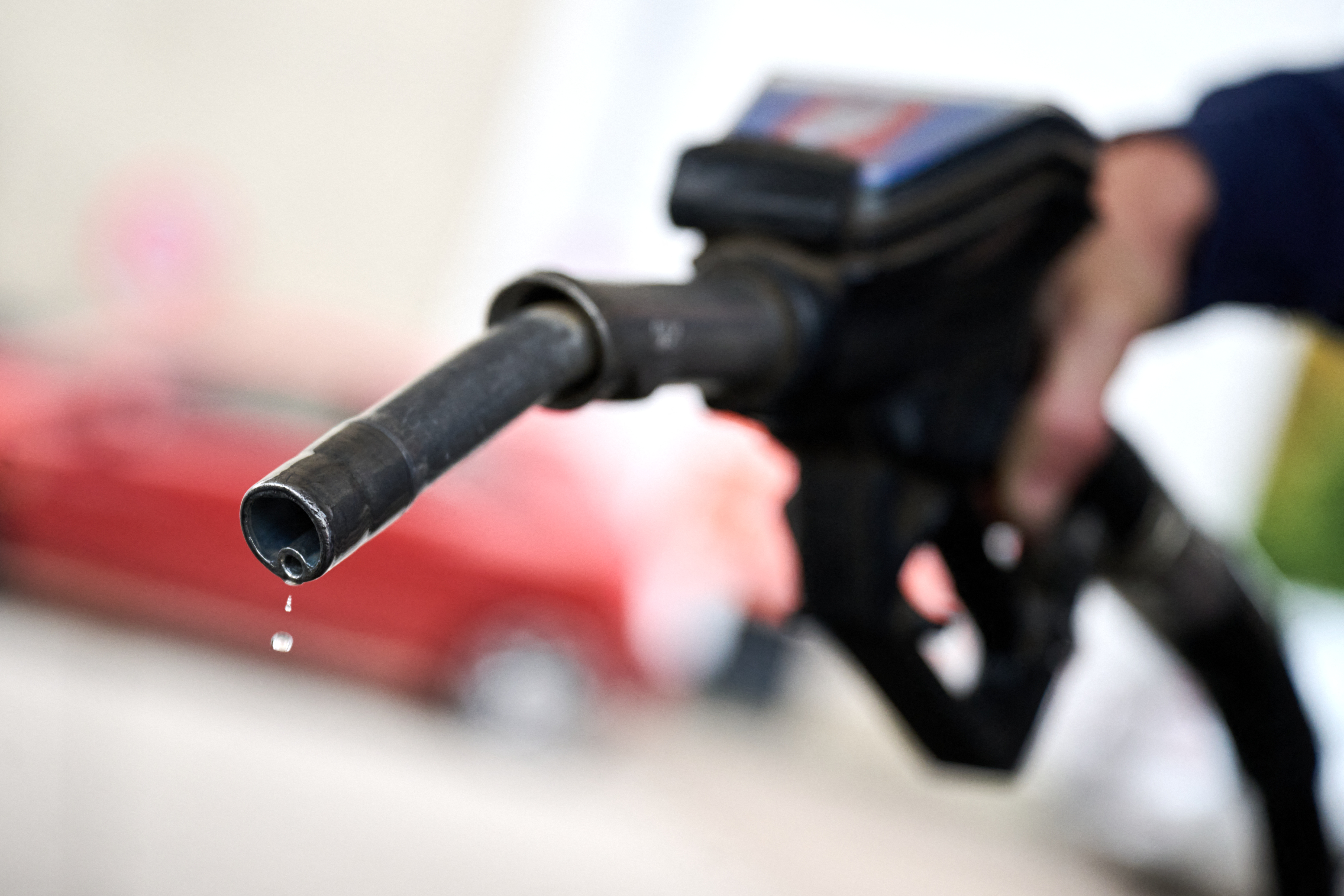
Series Switzerland and fossil fuels, Episode 17:
Germany is the third European country to set a date for phasing out the use of oil, coal and gas. Should Switzerland, where almost 60% of consumed energy comes from fossil sources, do the same?
Select your language
Generated with artificial intelligence.
Listening:
Germany wants to phase out fossil fuels. What about Switzerland?

By 2045, Europe’s largest economy will end its dependence on fossil fuels, Germany’s environment ministry announcedExternal link in September.
The decision was driven by the growing number of extreme weather events and by geopolitical crises, such as the situation in the Strait of Hormuz, which has disrupted global supply chains. According to German authorities, these developments show the “urgent need for stronger climate protection”. The use of fossil fuels accounts for 68% of global greenhouse gas emissions and nearly 90% of CO2 emissions.
Switzerland aims to achieve net-zero emissions by 2050. However, it has not introduced an explicit ban on fossil fuels and does not have a detailed national roadmap for phasing them out, as Germany now does.
“An explicit fossil fuel phase-out roadmap has the advantage of having a strong psychological impact and providing clarity to the market,” Gianfranco Guidati, deputy director of the Energy Science Center at the federal technology institute ETH Zurich, told Swissinfo. For example, it gives a clear sign to people deciding whether to replace an oil boiler or buy a diesel-powered car.
An early phase-out of fossil fuels in European countries will also affect Switzerland, which imports most of its petrol and heating oil from the European Union (EU).
>> Find out more about Switzerland and its fossil fuels in the video below:
Three European countries announce the end of oil, coal and gas
Germany is the third European country to present a fossil fuel transition roadmap, following the Netherlands and France. The cornerstone of its strategy is the electrification of transport, heating and industry. The share of renewable energy for electricity is expected to increase from 55% to 80% by 2030. The goal is for all newly registered cars to be battery powered from 2035 onward.
France’s roadmapExternal link is even more detailed: it foresees the phase-out of coal by 2030, oil by 2045 and natural gas by 2050. From 2030, at least one million heat pumps are to be installed every year.
These decisions are part of a broader commitment to progressively eliminate fossil fuels. At last year’s UN Climate Conference in Brazil (COP30), around 80 countries, including Switzerland, supported the proposal for a global roadmap to transition away from fossil fuels.
This commitment was reaffirmed in April this year in Colombia during the first international summit dedicated exclusively to phasing out fossil fuels. The transition is also expected to be a key topic of negotiations at COP31 in Turkey.
>> Switzerland has climate goals that would mean moving away from fossil fuels, but it can’t quite kick the habit:

More
Why Switzerland depends heavily on fossil fuels
The Greens want a Swiss roadmap for a fossil fuel phase-out
According to the Green Party, Switzerland should also develop a “clear, binding and socially fair” roadmapExternal link to achieve a rapid and systematic phase-out of fossil fuels. With two parliamentary motions, the party is calling for a swift end to fossil fuels in building heating and transport.
Every year, Switzerland sends more than CHF8 billion ($9.6 billion) abroad to import the very energy resources that damage the climate, fuel conflicts and make the country dangerously dependent on other nations, the Greens argue.
Phasing out fossil fuels means finding alternatives to most of the energy that powers the country. In 2024, 58% of Switzerland’s final energy consumption came from petroleum products such as petrol, heating oil, aviation fuel and natural gas. The shares are 65% in Germany and 57% in France.
“A fossil fuel phase-out roadmap would also make sense in Switzerland, even though we do not like bans and prefer to keep the door open to technological developments,” says Guidati. In his view, such a roadmap would be a useful tool for reaching climate goals since it would make it possible to track and measure concrete indicators like volumes of imported fossil fuels, rather than relying on CO2 emissions, which are based on more complex calculations.
Guidati stresses that phasing out fossil fuels means stopping the extraction of carbon from underground, not eliminating it from the economy altogether. Carbon will remain essential for products like plastics and fertilisers, but it will need to come from renewable sources, such as biomass, rather than from oil, gas and coal.
Contacted by Swissinfo, the Federal Office for the Environment (FOEN) said that national and international roadmaps for phasing out fossil fuels strengthen energy supply security and improve planning certainty, while also sending important signals to the business community. “The phase-out of fossil fuels is already a reality,” FOEN wrote, adding that “Switzerland is considering the possibility of developing its own national roadmap”.
No more petrol and diesel by 2040?
“Switzerland has enshrined the goal of net-zero emissions by 2050 in law, but it is still unclear how this target is to be achieved,” says Nathan Solothurnmann, energy expert at the NGO Greenpeace Switzerland. Environment Minister Albert Rösti has acknowledged that Switzerland may fail to meet its intermediate 2030 climate target, which calls for a 50% reduction in emissions.
Decarbonisation needs to happen even faster, Solothurnmann says. But this does not mean Switzerland can simply copy the French or German plans, as each country starts from a different situation.
For example, Switzerland’s electricity generation is already almost entirely free of fossil fuels, thanks to hydropower, solar energy and nuclear power, while its per capita industrial emissions are lower than those of neighboring countries. “Roadmaps set targets, but they often do not explain how those targets should be achieved,” Solothurnmann says.
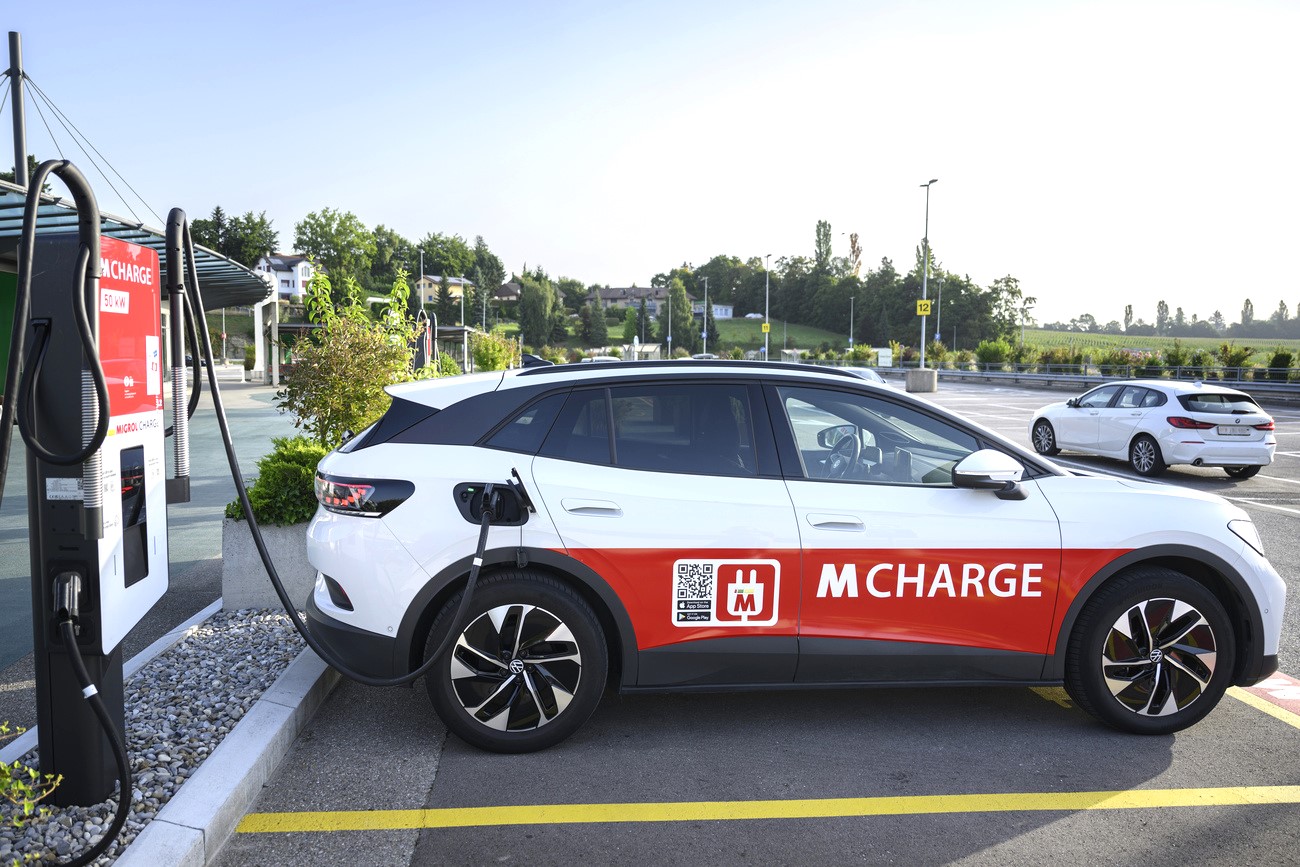
In his view, Switzerland should focus on its main policy levers: introducing a nationwide ban on fossil-fuel heating systems, thus following the example already set by the canton of Glarus, as well as decarbonising road transport, making air travel more expensive and strengthening public transportation. Agriculture, industry, and waste management would be addressed at a later stage, he argues.
“If Switzerland promoted electric mobility as consistently as the Scandinavian countries, or banned internal combustion engine vehicles as Ethiopia has done, a near-complete phase-out of fossil transport fuels by 2040 would be entirely realistic,” he adds.
Oil industry against a national roadmap
Although Switzerland is not a member of the EU, it is closely integrated in the European energy market. An accelerated fossil-fuel phase-out in other countries would therefore also have consequences for Switzerland. “It could alter the import routes for petroleum products,” notes Ueli Bamert, spokesperson for Avenergy, the umbrella association of the Swiss oil industry.
Today, around 70% of the refined petroleum products consumed in Switzerland come from the EU. According to Bamert, the country is already feeling the effects of the decline in European refining capacity seen in recent years. “We are experiencing the consequences of overly restrictive climate policies,” he says.
Bamert thinks a Swiss phase-out roadmap modelled on Germany’s would be unnecessary. “We see no advantages in tightening the existing measures,” he says. “We do not know whether climate neutrality can be achieved in Switzerland by 2050 without significant losses in economic prosperity, let alone by 2045.”
Swiss policymakers should base regulatory decisions on the needs of the domestic market, the population and the economy, rather than on approaches adopted by neighboring countries, he argues. In his view, the main obstacles on the path to net-zero emissions are the technical challenges and substantial investments required to replace fossil-fuel-based heating systems and electrify the vehicle fleet.
“Consumers would bear much of the cost, at a time when they are already facing rising rents and healthcare expenses,” Bamert says. He adds that there are currently no truly viable alternatives to fossil fuels in sight for industrial processes and the aviation sector.
For now, Switzerland does not appear inclined to follow Germany’s example. But as neighboring countries accelerate their transition away from oil and gas, Switzerland may have to consider whether it, too, should set a clear date for ending its own dependence on fossil fuels.
More

Edited by Gabe Bullard/vdv/dos

In compliance with the JTI standards
More: SWI swissinfo.ch certified by the Journalism Trust Initiative

You can find an overview of ongoing debates with our journalists here . Please join us!
If you want to start a conversation about a topic raised in this article or want to report factual errors, email us at english@swissinfo.ch.