








Rival cities vie to ‘poach’ international organisations from Geneva

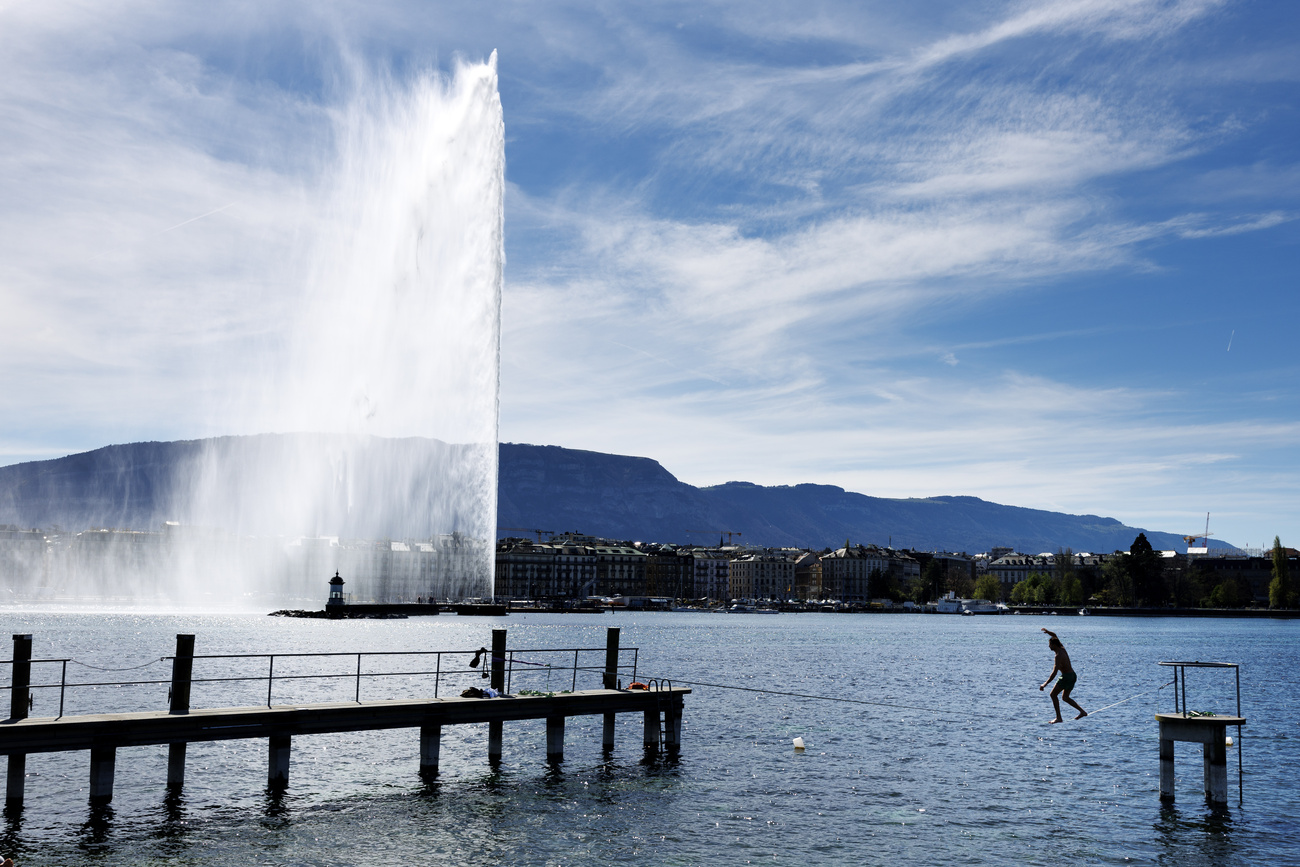
A UN funding crisis triggered by Donald Trump’s foreign aid cuts has set off a battle for diplomatic influence, with EU capitals and Gulf states competing to lure international organisations and staff away from Geneva, Swiss officials have warned.
Select your language
Generated with artificial intelligence.
Listening:
Rival cities vie to ‘poach’ international organisations from Geneva
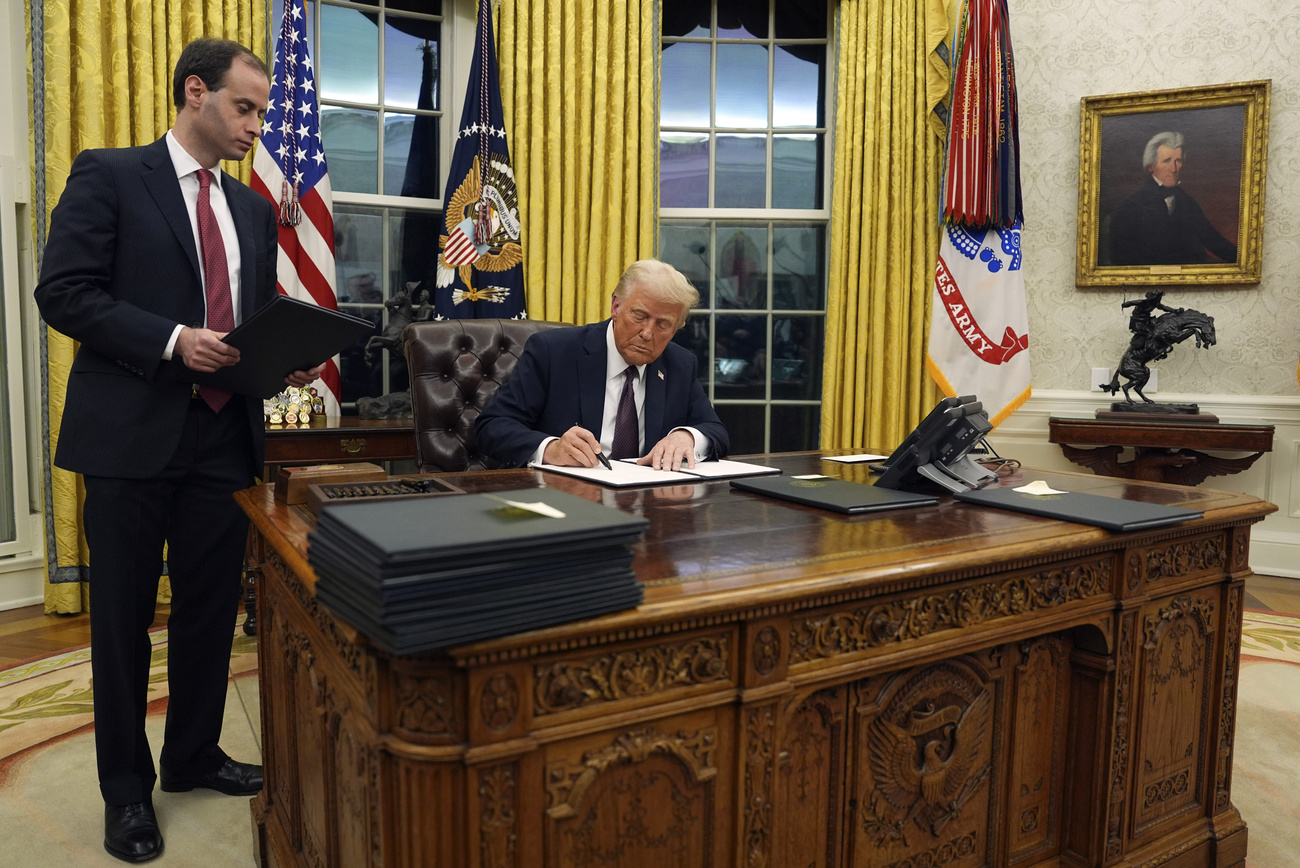
Home to the European headquarters of the UN, dozens of international organisations, hundreds of non-governmental organisations and diplomatic missions, Geneva last year was confronted with its biggest test in decades after the Trump administration froze most US foreign aid, withdrew from the World Health Organization (WHO) and halted funding for several UN bodies.
At the same time many countries have been decreasing their contributions to the multilateral system and spending more on areas such as national defence.
External Content

The resulting budget crises have forced agencies to cut jobs, freeze hiring and look for cheaper locations, making high-cost Geneva an obvious target.
“International Geneva”, as the ecosystem is known, generates about CHF4 billion ($5 billion) of annual economic activity — according to foreign ministry estimates — and is home to roughly 450 international organisations and NGOs, as well as about 185 countries represented via permanent missions, according to government figures.

More
What’s next? Moving on after losing a job in International Geneva
Swiss officials say about 20 countries are trying to use the financial turmoil engulfing the multilateral system to bolster their own ambitions as diplomatic hubs. They identified Austria, France, Germany, Italy and Spain as well as Qatar and the United Arab Emirates as among those seeking to attract UN agencies or parts of Geneva’s international ecosystem.
“A lot of European countries have host-state ambitions and they want to use this moment of stress to strengthen their own position,” said one Swiss official with direct knowledge of the situation. “It is blatant poaching.”
“The sharp reduction in financial support in 2025 opened a real opportunity for a lot of challengers, particularly in Europe,” said Beatrice Ferrari, director of International Affairs at canton Geneva.
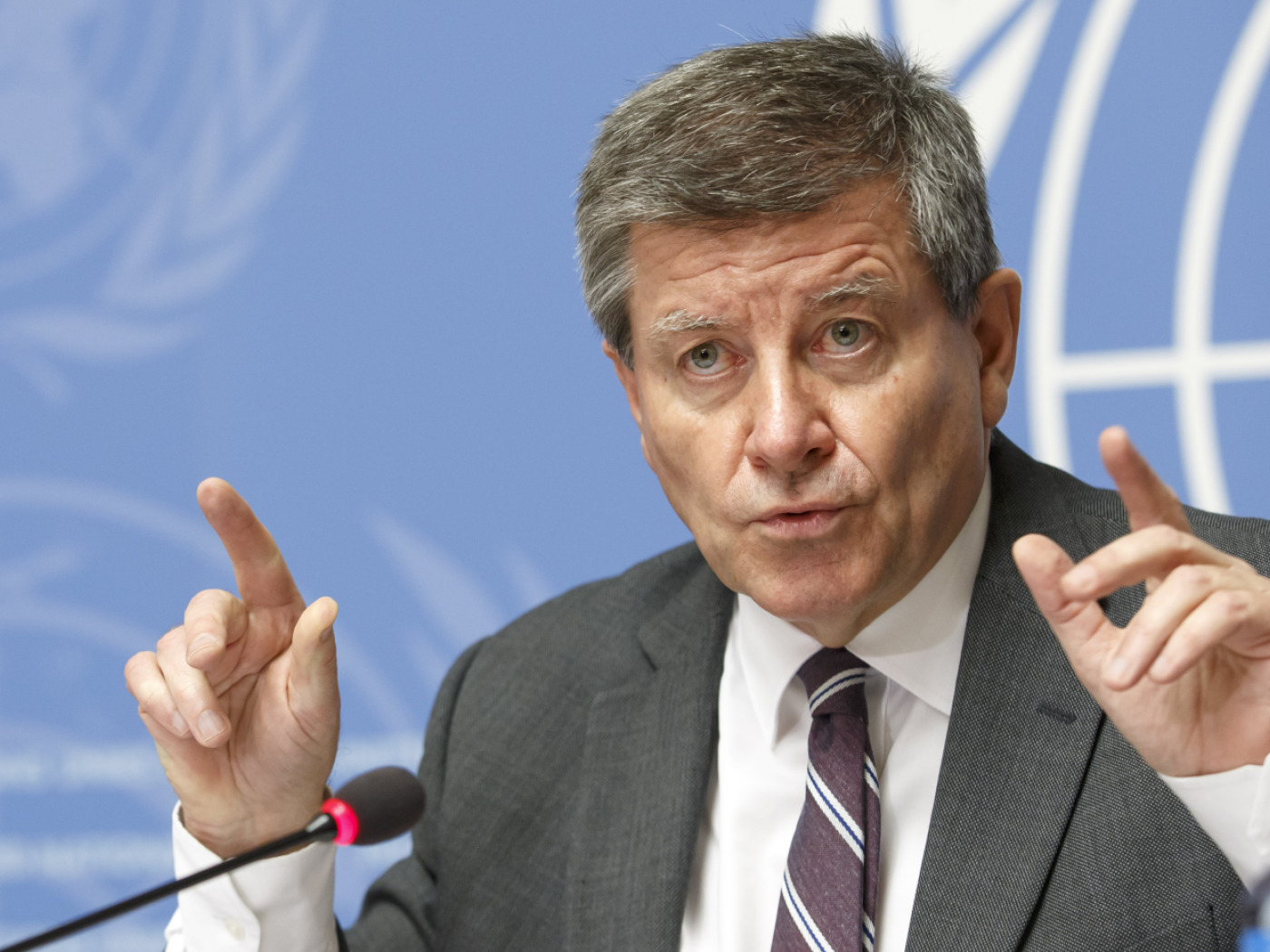
The WHO has proposed moving some headquarters functions to Lyon, France, as part of its restructuring. Unicef is relocating hundreds of posts to lower-cost cities including Rome, while the International Labour Organization (ILO) has said it will shift some staff and functions to its existing training centre in Turin.
More
Ripple effect of aid freeze becomes real in Geneva
The Swiss official said: “We’ve seen some member states offer a certain amount of money for every person they can move from Geneva to their city.”
Another Geneva-based politician said governments were increasingly carving out specialist roles rather than trying to replicate the city wholesale. Spain wants Valencia to become a centre for digitalisation and data, France is strengthening Lyon as a hub for international health governance and Paris’s education profile, Germany is building on Bonn’s environmental institutions and Berlin’s international role, while Vienna is seeking to expand its presence as a UN hub.
“They all want different parts of the ecosystem,” the politician said.
Among the Gulf states, Swiss officials see Qatar as the strongest challenger because it has established itself as a diplomatic broker. They pointed to Doha’s growing role in mediation, including over Gaza and in recent diplomacy involving Iran, and said it was combining that political influence with “very attractive financial offers” as it sought to become a bigger humanitarian hub.
More
Pressure eased on UN layoffs, official says in Geneva
Bern has responded with one of its largest host-state support packages in years. The federal government in June approved CHF269 million for International Geneva, citing the financial crisis facing UN agencies and “increasing competition between states” to host international organisations.
The package includes emergency funding for struggling agencies, investment in conference and digital infrastructure, a CHF78 million interest-free loan to renovate buildings used by international organisations, and support for Geneva’s ambitions in areas such as AI and other emerging technologies.
The effort extends beyond the federal government. Canton Geneva and the Hans Wilsdorf Foundation, which controls Rolex, have created a CHF50 million fund to support International Geneva over five years. The canton has also earmarked CHF10 million for NGOs, while the City of Geneva has committed a further CHF2 million.
Swiss officials insist they are not trying to outspend rival host cities but to protect the concentration of UN agencies, diplomats, NGOs and researchers that has made Geneva one of the world’s leading centres for international co-operation.
They argue the economic benefits of relocation are often overstated. Lower salaries and rents elsewhere can be offset by the cost of recreating conference facilities, administrative support and diplomatic networks, while dispersing organisations risks weakening the collaboration that has made Geneva effective in tackling global problems.
More
US withdrawal from WHO puts global health in jeopardy
“There is fierce competition because of the US retreat,” said Vincent Subilia, a member of parliament for canton Geneva and director-general of the Geneva Chamber of Commerce. “But the federal government, the canton and the city have all stepped up to help fill part of the gap.
“Our high concentration of institutions means Geneva still offers the strongest and most unique international ecosystem.”
Nor is every government pulling back. Swiss officials said countries including China have stepped up their engagement with Geneva’s multilateral institutions, seeing an opportunity to wield greater influence as the US retreats.
Ferrari said six new countries had opened permanent missions in the past two years, including Belize and some Pacific island countries.
“The crisis is not over yet but Geneva remains the biggest centre and closest to decision makers,” she added.
Copyright The Financial Times Limited 2026
More


See more Swissinfo articles in your Google results. Learn more

In compliance with the JTI standards
More: SWI swissinfo.ch certified by the Journalism Trust Initiative

You can find an overview of ongoing debates with our journalists here . Please join us!
If you want to start a conversation about a topic raised in this article or want to report factual errors, email us at english@swissinfo.ch.