








UNHCR chief says low funding makes agency’s task “impossible”

The UN High Commissioner for Refugees believes that the agency is facing an “impossible” task due to a lack of funds. Barham Saleh admitted in Geneva that “times are tough” while announcing a reorganisation.
Select your language
Generated with artificial intelligence.
Listening:
UNHCR chief says low funding makes agency’s task “impossible”
“Efficiency has its limits,” said Saleh at the start of the executive committee meeting of the UNHCR. “There comes a point where greater efficiency cannot make up for a shortage of resources,” he added. “The consequences are not abstract; they are borne by those who depend on us.”
More
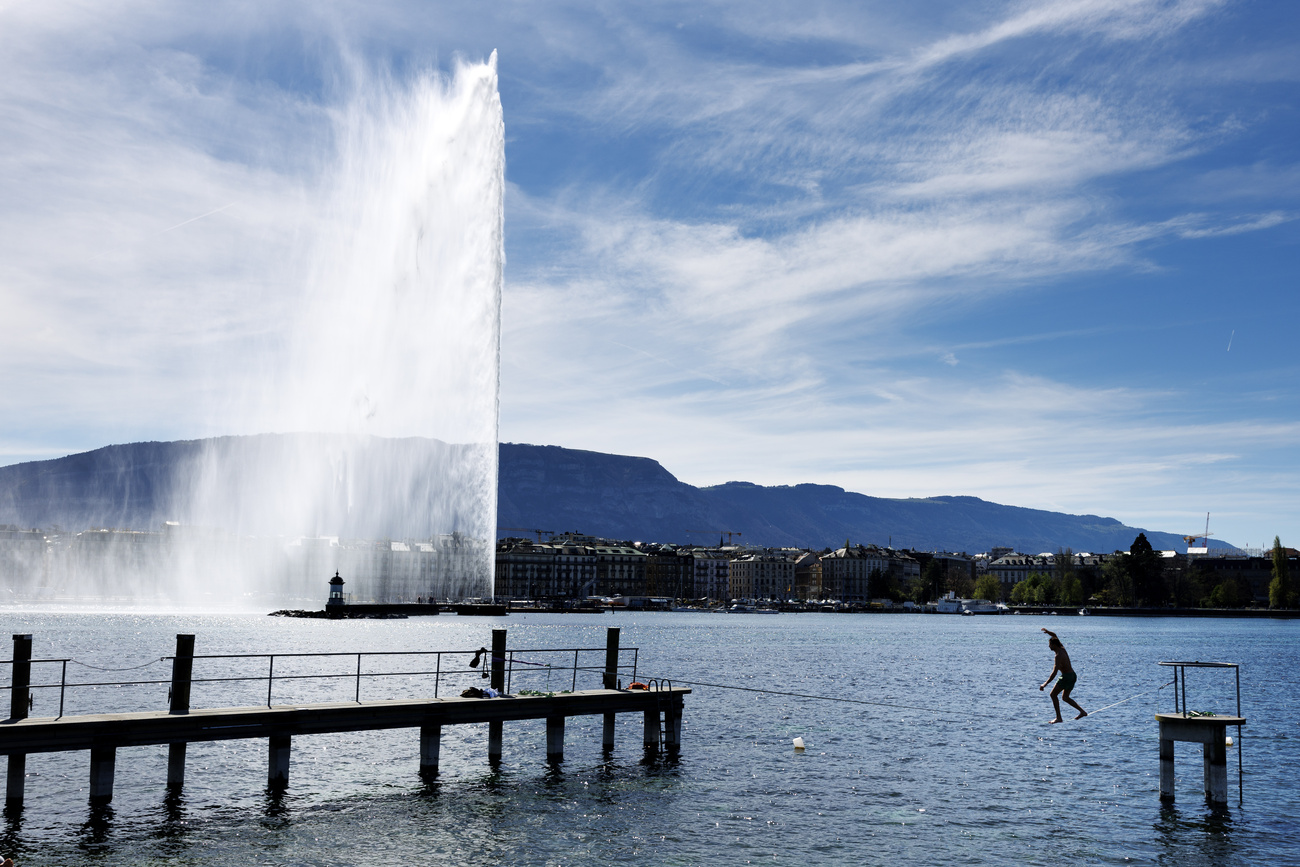
Ripple effect of aid freeze becomes real in Geneva
The former Iraqi president acknowledged the financial difficulties facing member states. “But there is a difference between doing more with less and being asked to do the impossible,” the High Commissioner added.
Among the consequences, aid to 50,000 survivors of the Sudan conflict is under threat, and the registration of tens of thousands of refugees has been suspended in Ethiopia.
According to figures up to last Friday, the UN agency had received only 35% of the $8.5 billion requested for this year. For 2027, UNHCR is currently forecasting funding of less than $2.7 billion, which could be increased by the end of the year at the time of the donor conference.
Saleh is calling for funding that is provided earlier, is more predictable and is more flexible.

More
UNHCR cuts close to 5,000 jobs amid funding shortfall
In recent years, the UN agency has faced funding cuts from the US and other countries. Since 2024, nearly 8,000 people have left the organisation, reducing its staff from nearly 20,000 to just under 12,000.
Impact across 31 offices
Since taking up his post in early January, Saleh has commissioned an independent assessment of UNHCR’s operations. He wants a “more agile” and “more sustainable” organisation that collaborates more closely with other parts of the UN humanitarian system, particularly in terms of procurement.
Changes are to be implemented across 31 UNHCR sites. The aim is to avoid duplication at the Geneva headquarters and in regional offices, and to bring the UN agency even closer to the people it assists.
Structures are to be simplified and responsibilities more clearly defined. Another change is that the number of directors reporting directly to political posts will be reduced from 12 to 6.
Some 88% of staff work outside Geneva. And around 70% are local staff. Around 95% of resources are channelled into assistance in the various countries. Saleh also wants UNHCR to rely more heavily on artificial intelligence for its operations.
More
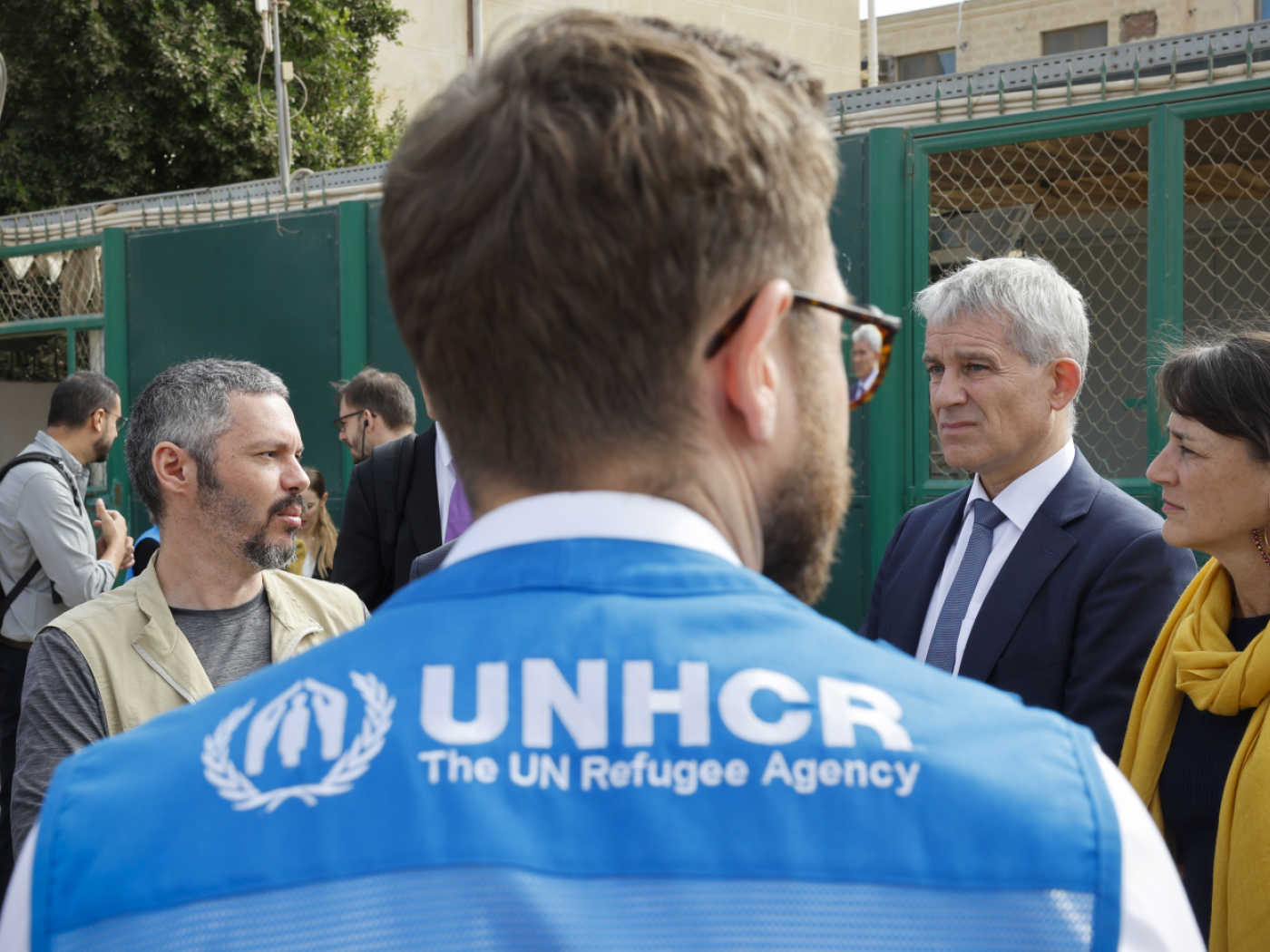
Geneva-based UNHCR marks 75 years amid deepening funding crisis
+ How we produce news in English
Translated from French, reviewed by an English Department journalist.

In compliance with the JTI standards
More: SWI swissinfo.ch certified by the Journalism Trust Initiative

You can find an overview of ongoing debates with our journalists here . Please join us!
If you want to start a conversation about a topic raised in this article or want to report factual errors, email us at english@swissinfo.ch.