








Vaud introduces a minimum wage into its Constitution
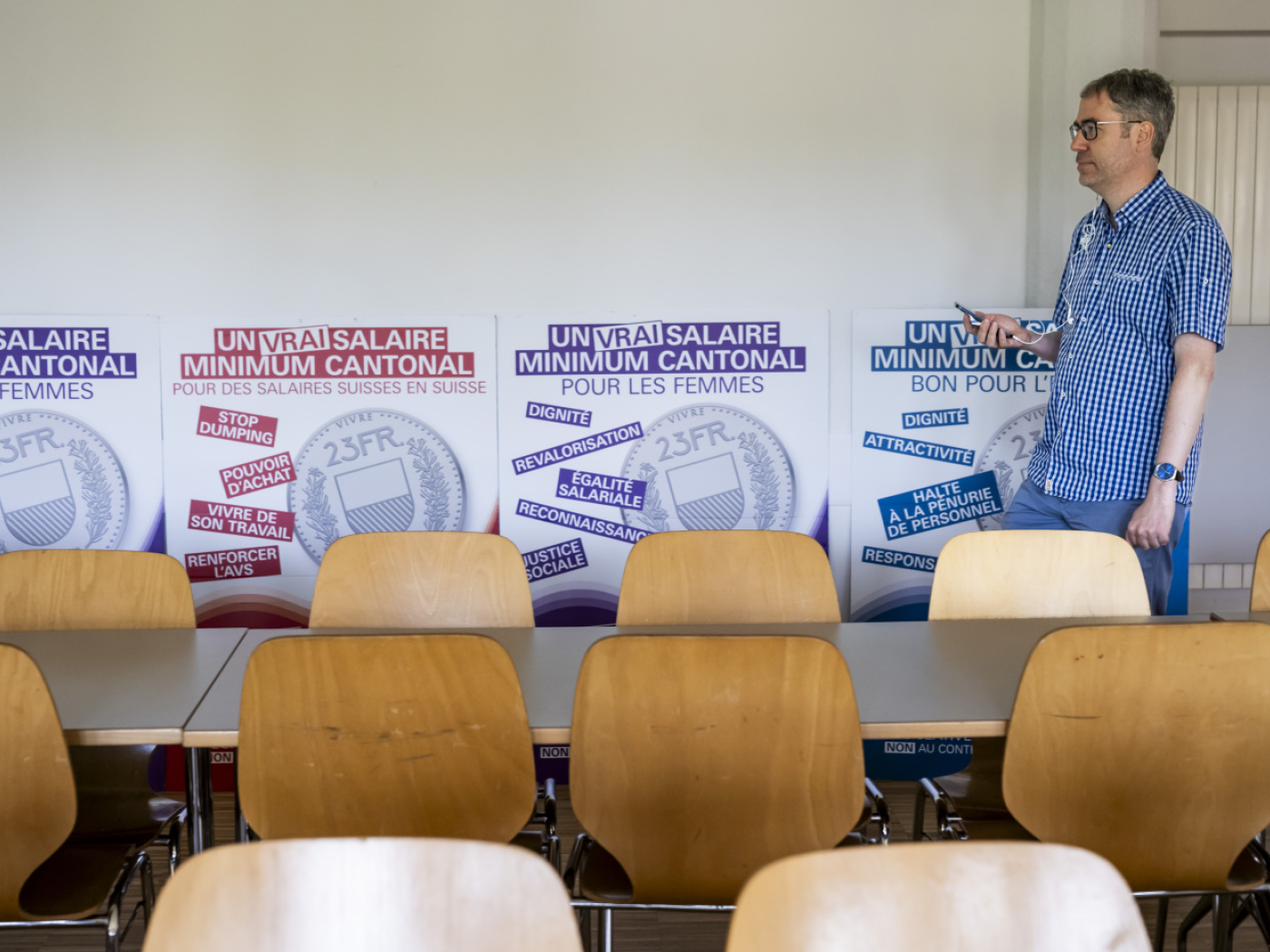
Voters in canton Vaud have delivered a mixed verdict on the introduction of a minimum wage. On Sunday, they agreed to anchor the principle in the cantonal constitution but rejected the accompanying draft legislation.
Select your language
Generated with artificial intelligence.
Listening:
Vaud introduces a minimum wage into its Constitution
+Get the most important news from Switzerland in your inbox
Voters sided with left-wing parties and trade unions by accepting the constitutional initiative with 49.1% in favour, 45.8% against and over 5% of blank ballots. At the same time, voters rejected a legislative proposal to introduce a minimum wage of CHF23 ($28.7) per hour.
The cantonal government’s counter-proposal, which proposed setting the same wage but giving priority to collective labour agreements (CLAs) and allowing several exceptions, also failed narrowly, with 46.2% in favour and 46.76% against. Turnout reached 54%.
New law to be drafted
With both the legislative initiative and the counter-proposal rejected, the government must now draft a legal framework to implement the new constitutional provision.
More
Geneva minimum wage raises bar for less well-off
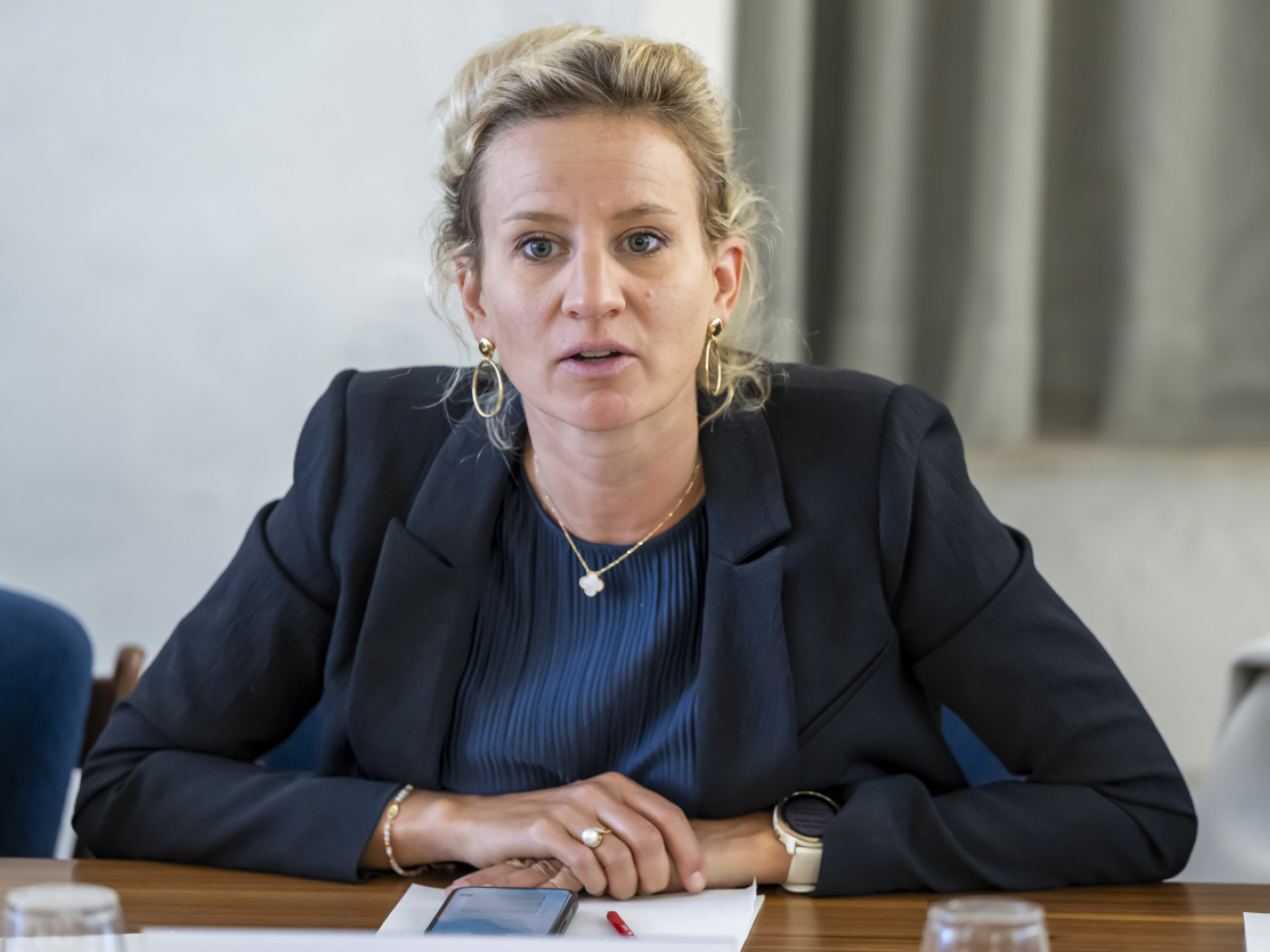
Arnaud Bouverat, co-chair of the initiative’s support committee, described the outcome as “a first symbolic victory”, even if it does not yet bring “anything concrete” for workers. Enshrining the minimum wage in the Constitution it is now “set in stone”, he told the Keystone-ATS news agency.
The trade unionist and Social Democrat lawmaker added that the initiative committee is “open” to negotiations with the government, particularly on transition periods for sectors covered by collective agreements and on possible exemptions.
+ Swiss cantons push on with minimum wage despite national setback
The government said it “regretted” the narrow rejection of its counter-proposal. In a statement, it said it would first analyse the reasons behind the vote before consulting social partners.
The aim is to explore “possible avenues” for implementing the new constitutional provision and to draft “a proposal capable of securing broad consensus.”
Adapted from French by AI/sb
We select the most relevant news for an international audience and use automatic translation tools to translate them into English. A journalist then reviews the translation for clarity and accuracy before publication.
Providing you with automatically translated news gives us the time to write more in-depth articles. The news stories we select have been written and carefully fact-checked by an external editorial team from news agencies such as Bloomberg or Keystone.
If you have any questions about how we work, write to us at english@swissinfo.ch
External Content

In compliance with the JTI standards
More: SWI swissinfo.ch certified by the Journalism Trust Initiative

You can find an overview of ongoing debates with our journalists here . Please join us!
If you want to start a conversation about a topic raised in this article or want to report factual errors, email us at english@swissinfo.ch.