








Swiss train travel breaks passenger numbers record
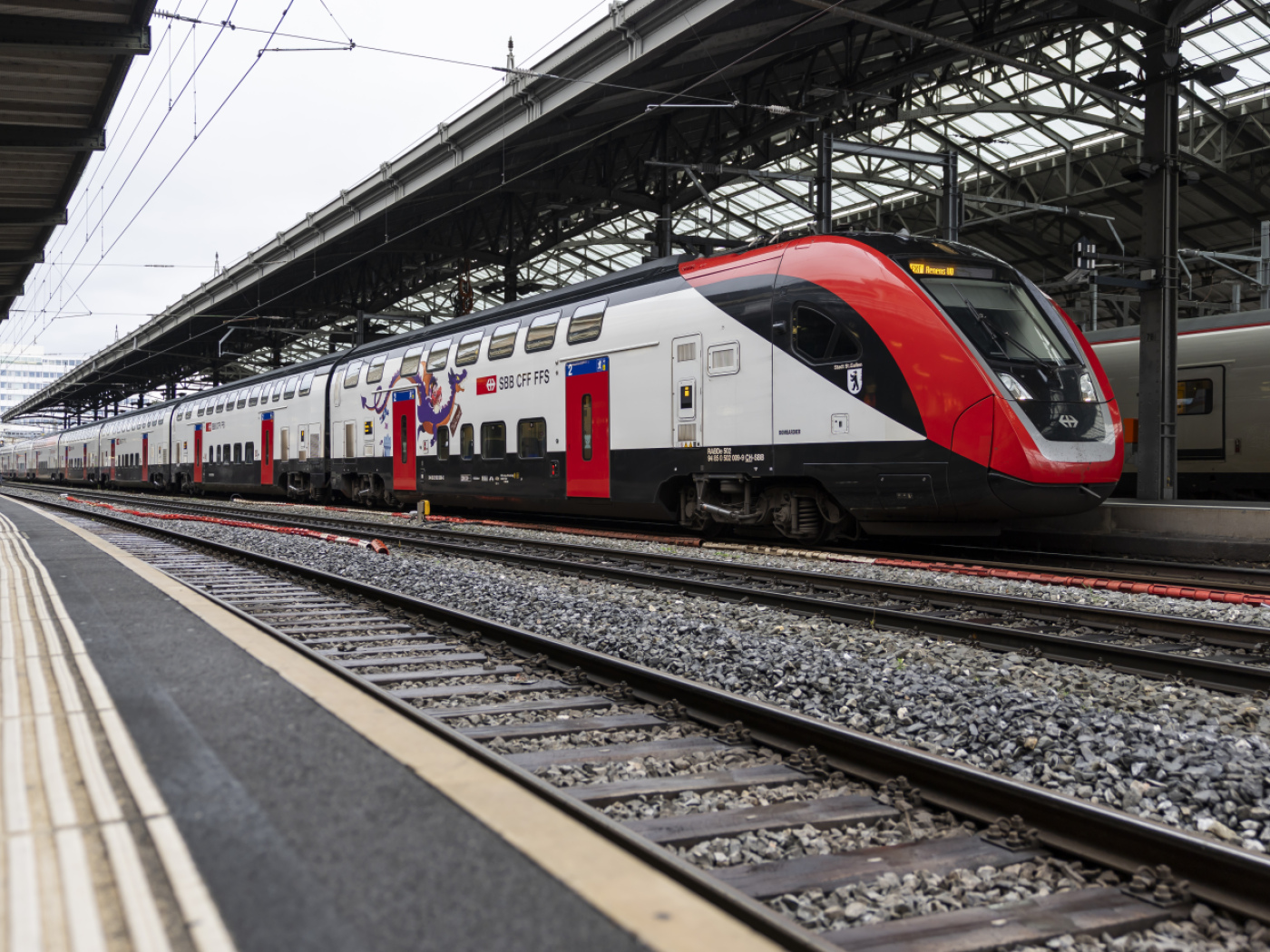
Passenger rail transport in Switzerland reached a new record in the second quarter of 2026, totalling 6.3 billion passenger-kilometres. Freight traffic is also showing signs of a slight recovery, according to figures released on Thursday by LITRA and the Public Transport Union (UTP).
Select your language
Generated with artificial intelligence.
Listening:
Swiss train travel breaks passenger numbers record
+Get the most important news from Switzerland in your inbox
With 6.3 billion passenger-kilometres, passenger transport performance rose by 5.2% compared with the same period last year. The previous record, set in the fourth quarter of 2025, has thus been surpassed.
Compared with the first quarter of 2026, passenger transport even recorded an increase of 8.8%. However, this rise is mainly due to seasonal variations, as the second quarter traditionally sees stronger demand. “Overall, the second quarter of 2026 confirms the continuation of the positive trend and the enduring appeal of public transport in Switzerland,” the report emphasises.

More
A Swiss initiative wants flyers to fund trains
A still fragile recovery in freight
Freight traffic also showed a slight recovery after several difficult quarters. Transport performance reached 2.82 billion net tonne-kilometres, representing a 2.2% increase year-on-year.
The report’s authors remain cautious, however. While these figures may indicate a slight stabilisation following several quarters of decline or stagnation, structural challenges, capacity constraints and the complexity of planning on the main freight corridors continue to weigh on the sector.
Demand for train paths – the time slots allocated for train movements – rose slightly by 0.9% to 53.24 million train-path-kilometres. This growth was mainly driven by passenger transport.
+ How we produce English news
Translated from German, reviewed by an English Department journalist.

In compliance with the JTI standards
More: SWI swissinfo.ch certified by the Journalism Trust Initiative

You can find an overview of ongoing debates with our journalists here . Please join us!
If you want to start a conversation about a topic raised in this article or want to report factual errors, email us at english@swissinfo.ch.