








Cadmium: Switzerland seen as safe, but imports raise doubts
A French report on high cadmium exposure from food has put the heavy metal in the spotlight again. Switzerland says its consumers are protected. Is this really the case? A Swissinfo analysis.
Select your language
Generated with artificial intelligence.
Listening:
Cadmium: Switzerland seen as safe, but imports raise doubts

Cadmium is back in the public eye. Almost three years after high levels of cadmium were detected in chocolate – including in Swiss chocolate maker Lindt’s dark chocolates – alarm bells are ringing again about the presence of cadmium in food products.

More
Toxic cocoa beans: how much cadmium is in your chocolate?
This time it is the French authorities warning about high exposure from staple foods grown using fertilisers with high levels of the heavy metal. Almost one in two French residents are exposed to high levels of cadmium, according to analysis published by the French food safety agency ANSESExternal link in March. Cadmium can potentially cause kidney failure, bone demineralisation and even cancer.
By aggregating various sources of exposure to cadmium, ANSES was able simulate current cadmium contamination levels in the French population, taking into account the lifelong accumulation of cadmium in the body. The results confirmed that a significant proportion of the population exceeds the health reference values developed by ANSES. Food was by far the leading source of cadmium exposure, accounting for 98% of cadmium contamination levels among non-smokers.
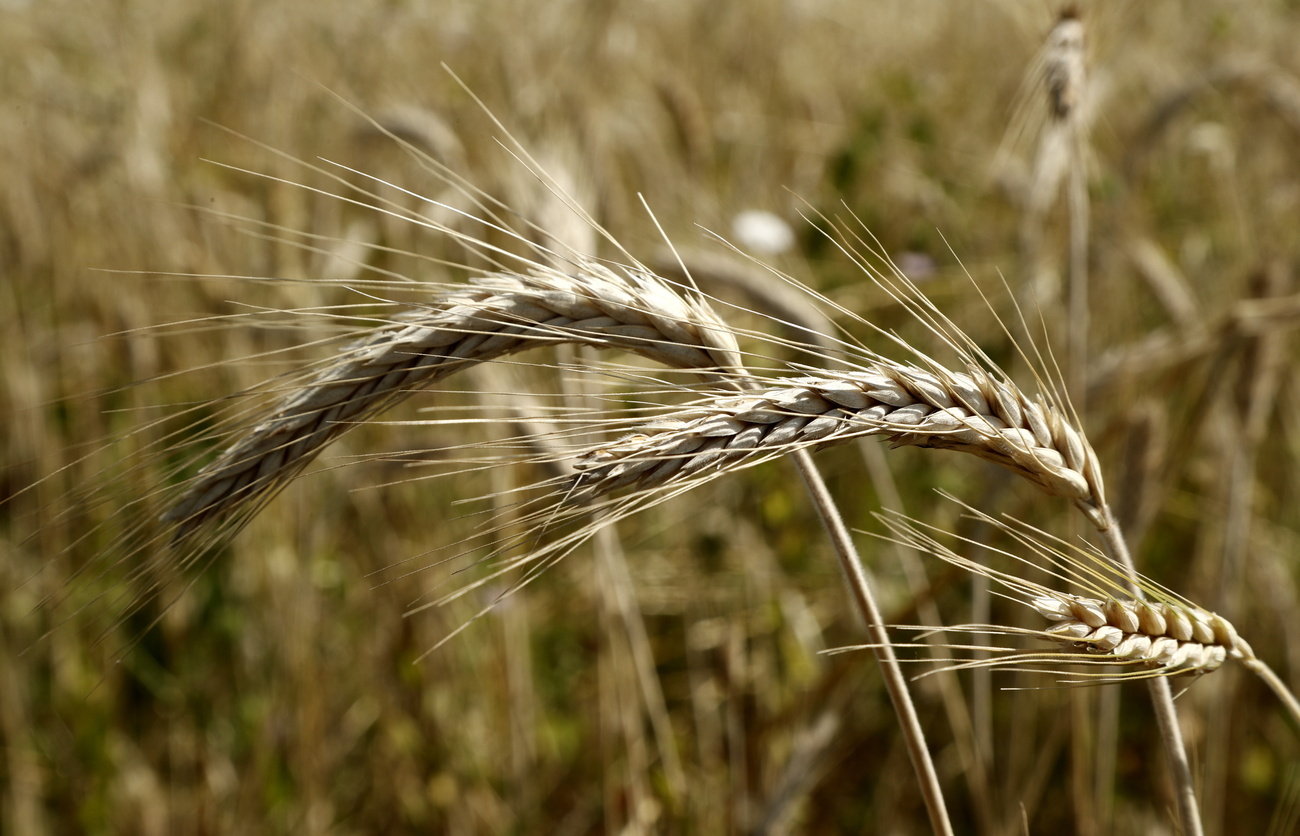
“The foods that contribute the most are products that are both commonly consumed and contaminated by cadmium, particularly certain cereal products (breakfast cereals, bread and dry bread products, croissant-like pastries, pastries, cakes and sweet biscuits, pasta, rice and wheat), as well as potatoes and certain vegetables,” warned ANSE.
More
Pesticide-free but not organic: Swiss offer alternative to wean agriculture off chemicals
Biomonitoring studies also show that the cadmium is ending up in consumers. According to ANSES, 47.6% of adults in France exceeded the safe cadmium threshold in urine. By comparison, in Switzerland only 3.1% exceeded reference values based on blood-sampling based on the pilot phase of the Swiss Health Study (SHeS-pilot). This proportion drops to 0.3% among non-smokers, highlighting the significant influence of smoking.
The French and Swiss results may not be fully comparable because urine testing offers better clues about long-term exposure while blood testing provide more of a snapshot of current high exposure. However, Swiss authorities are still confident that Swiss residents are better off.
“In international comparison, available data suggest that the Swiss population is generally less exposed to cadmium than the French population,” a representative of the Federal Office of Public Health confirmed to Swissinfo.
Swiss prudence pays off
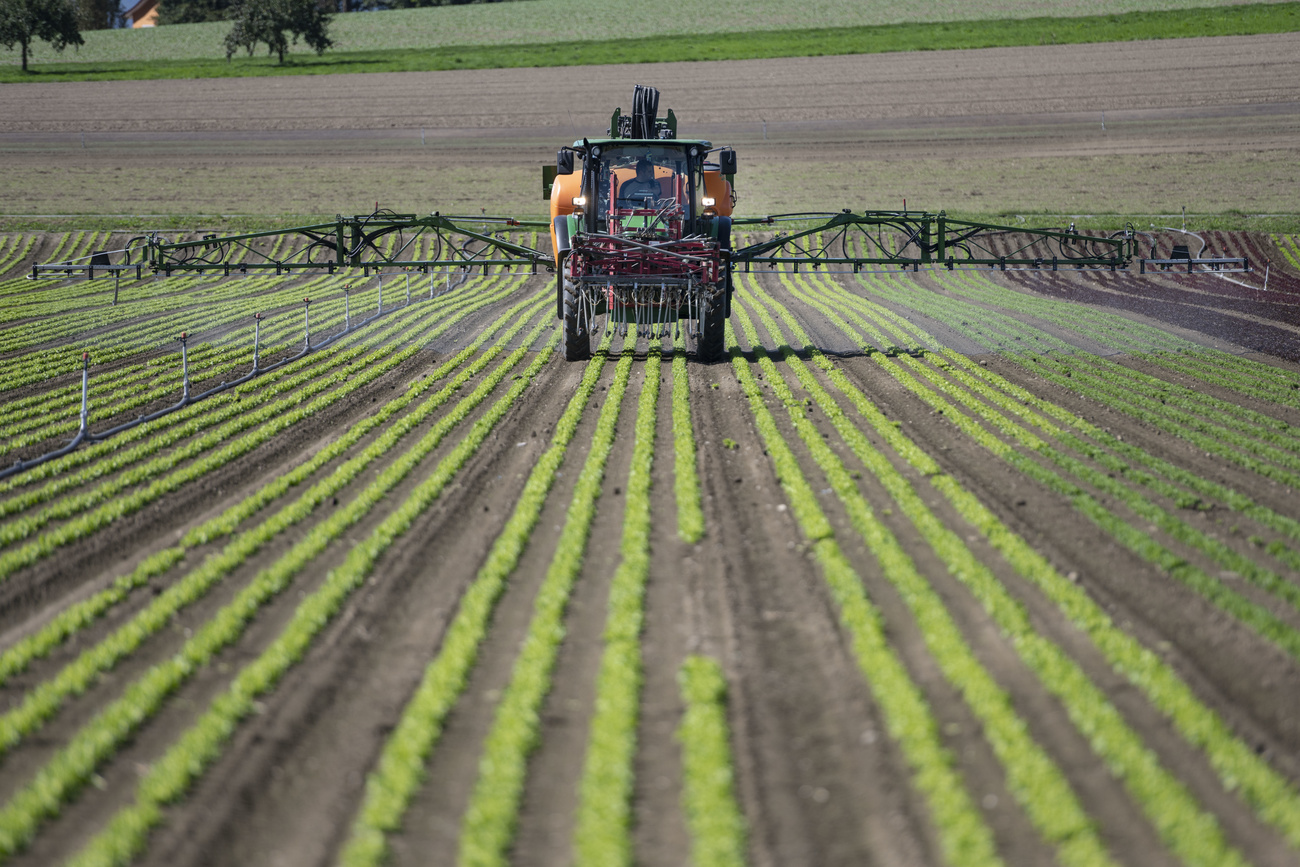
According to ANSE, contamination of food is “largely” due to the presence of cadmium in agricultural soils. Extensive use of phosphate fertilisers sourced from regions with high levels of cadmium like North Africa are mainly to blame. How did the European Union allow this? And what does that mean for Swiss soils?
The quantity of cadmium in fertilisers was unrestricted in the EU until 2019, when the limit was set at 60 mg cadmium/kg P2O5 [i.e. the phosphorous content in fertilisers]. This has been effective since July 2022. France follows EU guidelines but allows a higher limit of 90 mg cadmium/kg P2O5 for phosphate fertilisers that are not authorised throughout the EU and restricted to the French internal market.
By contrast, Switzerland had set the limit at 21mg cadmium/kg P2O5 as far back as 1986, which makes it the oldest and strictest limit value in all of Europe. This is probably why cadmium levels in Swiss soils do not cross the safe threshold of 1mg/kg of dry soil set by the Food and Agriculture Organization of the United Nations (FAO).
External Content
Weak links
Low levels of cadmium in Swiss soils does not mean Swiss consumers are not exposed. There are cracks in the system that may allow the heavy metal to slip though. For example, results of lab testing by canton Bern published in 2021 showed that one in six fertiliser products contained levels of cadmium that were higher than legally accepted levels.
Another cause for worry is Switzerland’s reliance on food imports. Half of the calories consumed by Swiss residents comes from abroad. Products with elevated cadmium risks like grains are responsible for an even larger share of imports.
External Content
What is especially worrying is that France was the top source of cereal imports into Switzerland in 2025, accounting for 36% of all cereal imports. France is also the third (after Germany and Italy) when it comes to Swiss imports of high-risk products made from cereals like bread, pastry, cakes, biscuits and pasta, accounting for 10% of import share. ResearchExternal link supported by the European Human Biomonitoring Initiative (HBM4EU) showed that the highest proportion of exceedance of the safe limit of 1 μg/L cadmium in urine was recorded in Poland (33%) and France (43%), but also in Germany (36%), with the rest falling between 1.4% (Denmark) and 8.7% (Czech Republic).
The Swiss ordinance on maximum contaminant levels provides limits for cadmium that range from 0.02 mg/kg for baby food to 3 mg/kg for supplements containing seaweed. Enforcement of these limits is, however, based on a combination of self-regulation by the food sector and random checks by the authorities.
“Inspections are carried out by the cantonal enforcement authorities, under the direction of the cantonal chemists. They verify that the food sector is fulfilling its responsibilities and conduct official risk-based random checks,” a spokesperson for the Federal Food Safety and Veterinary Office told Swissinfo.
These inspections can involve routine market surveillance of importers, retailers and restaurants or targeted campaigns focusing on foods prone to cadmium such as seafood, cereals, berries. So far, only two recalls for excess cadmium levels have been announced in Switzerland in the last five years: frozen raspberries from Serbia in October 2025 and frozen squid from Portugal this March.
More

Edited by Virginie Mangin/sb

In compliance with the JTI standards
More: SWI swissinfo.ch certified by the Journalism Trust Initiative

You can find an overview of ongoing debates with our journalists here . Please join us!
If you want to start a conversation about a topic raised in this article or want to report factual errors, email us at english@swissinfo.ch.