








Adam Szymczyk brings an art world mindset to Swiss architecture
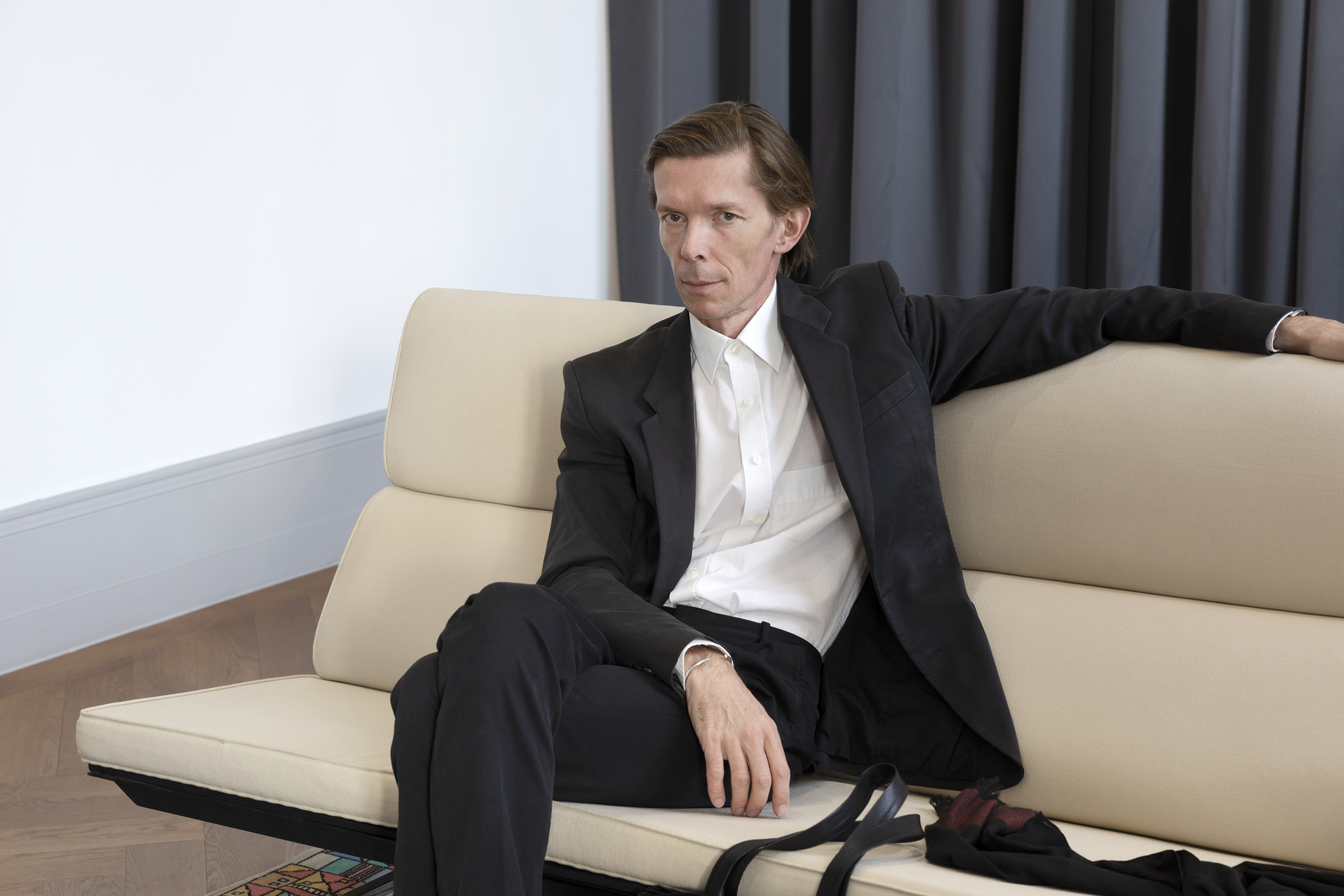
Adam Szymczyk is best known as a contemporary art curator who oversaw the 2017 edition of documenta, the first edition of the art show that was split between Kassel, its original setting in Germany, and Athens. In January, he took on a new post as director of the Swiss Architecture Museum in Basel. Swissinfo spoke to him about his leap from art to architecture – and why this switch is no rupture at all.
Select your language
Generated with artificial intelligence.

Listening:
Adam Szymczyk brings an art world mindset to Swiss architecture
When contemporary art curator Adam Szymczyk applied to lead one of the world’s foremost architecture institutions, he didn’t see it as a dramatic career pivot. “I didn’t have the feeling I was making a big step or changing something fundamentally,” he says, dismissing the notion that he has traded art for architecture. Instead, the longtime curator sees the move as a natural extension of a career spent crossing disciplinary boundaries.
“I see architecture more as one possible form of expression,” he tells Swissinfo during a meeting held near his home in Zurich as he took a a flu-induced break from work.
“There are affinities and intersections between art and architecture, so definitely I am not throwing away art and moving into architecture. I wouldn’t know how to. I think I was pretty open to other disciplines when I dealt with art – I was always digging into music or literature. I think it was articulated in the fullest at documenta, where we tried to really touch on every imaginable field.”
Born in Poland, Szymczyk studied art history in Warsaw. In the 1990s, he joined Foksal Gallery, a non-commercial contemporary art gallery that challenged the traditional structures of the art market.
He has lived mainly in Switzerland since 2002, when he became director of the Kunsthalle Basel. Unlike a museum, a Kunsthalle does not have a permanent collection. Instead, it is a public exhibition space that hosts temporary art exhibitions. He has Swiss citizenship and considers Basel home.
He rose to prominence as the artistic director of documenta, a quinquennial exhibition that has often been seen as a bellwether for new directions in contemporary art. Szymczyk staged a part of the 2017 show in Athens, the first time it had not taken place exclusively in Kassel, Germany. In January, he started work as the director of the Swiss Architecture Museum, which now shares a building with the Kunsthalle in Basel.

A museum without objects
Initially focused primarily on Swiss architecture, the museum was founded in 1984 as a private initiative. Since 2006, it has expanded its horizons to become more international. It mounts about four exhibitions a year.
It is not “a traditional kind of museum, which is usually a large institution with some sort of collection,” Szymczyk says. Even its public initials (S AM) are less an acronym than a constructivist signature. “This one has no collection. It’s not a museum of objects, it’s more of an idea of a museum that should propose some understanding or different ways of understanding architecture through exhibitions, and hopefully also publications and other formats.”
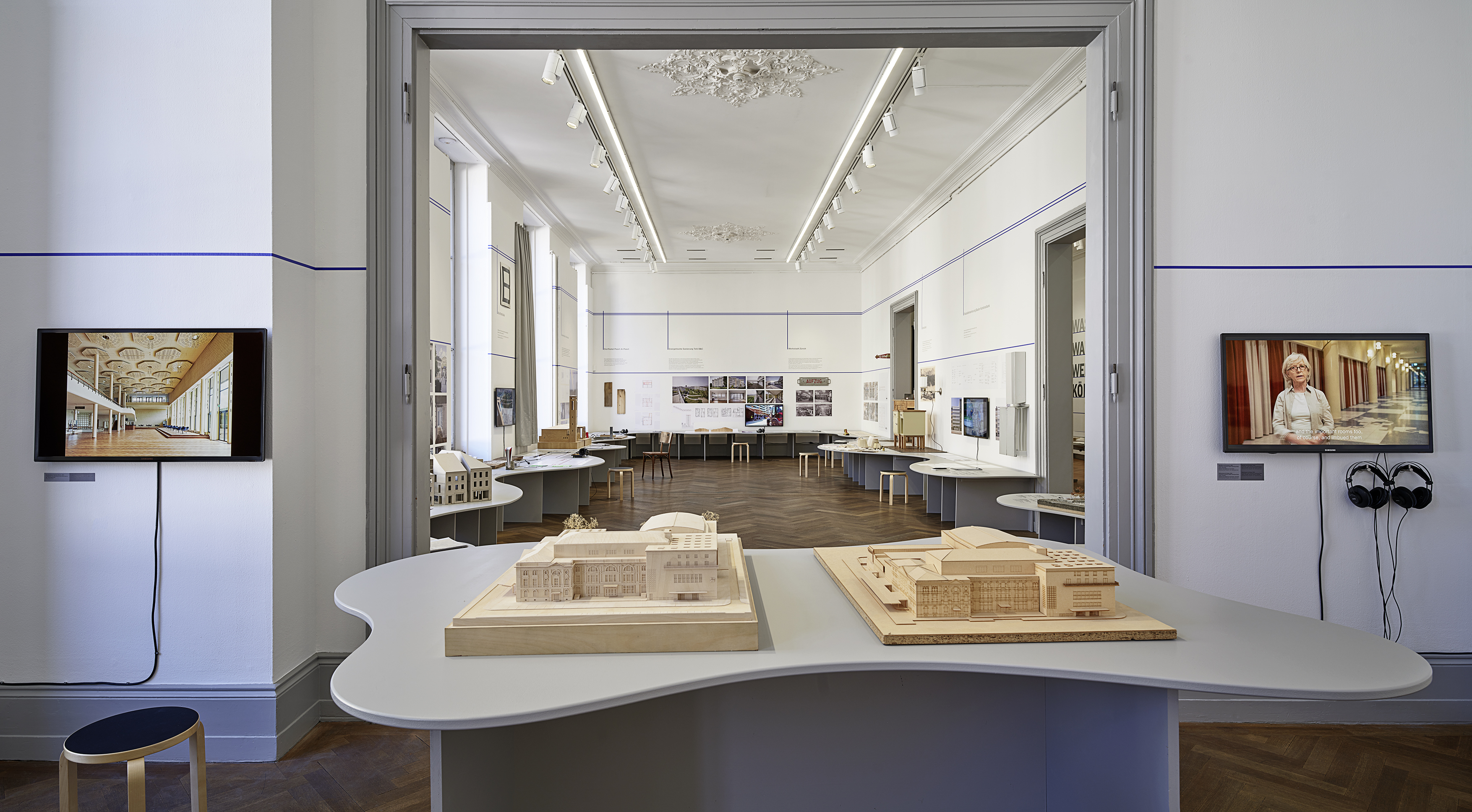
The absence of a collection gives the museum “quite a lot of freedom,” Szymczyk says. “Each of the four former directors of this museum tried to materialise something of their understanding of what’s important in and about architecture, and so, in a way, this layering of exhibitions since 1984 and different ways of thinking about architecture is really what constitutes the museum. It’s like a virtual receptacle in which we can imagine different ideas and ways of showing and discussing architecture.”
Questioning the need to build
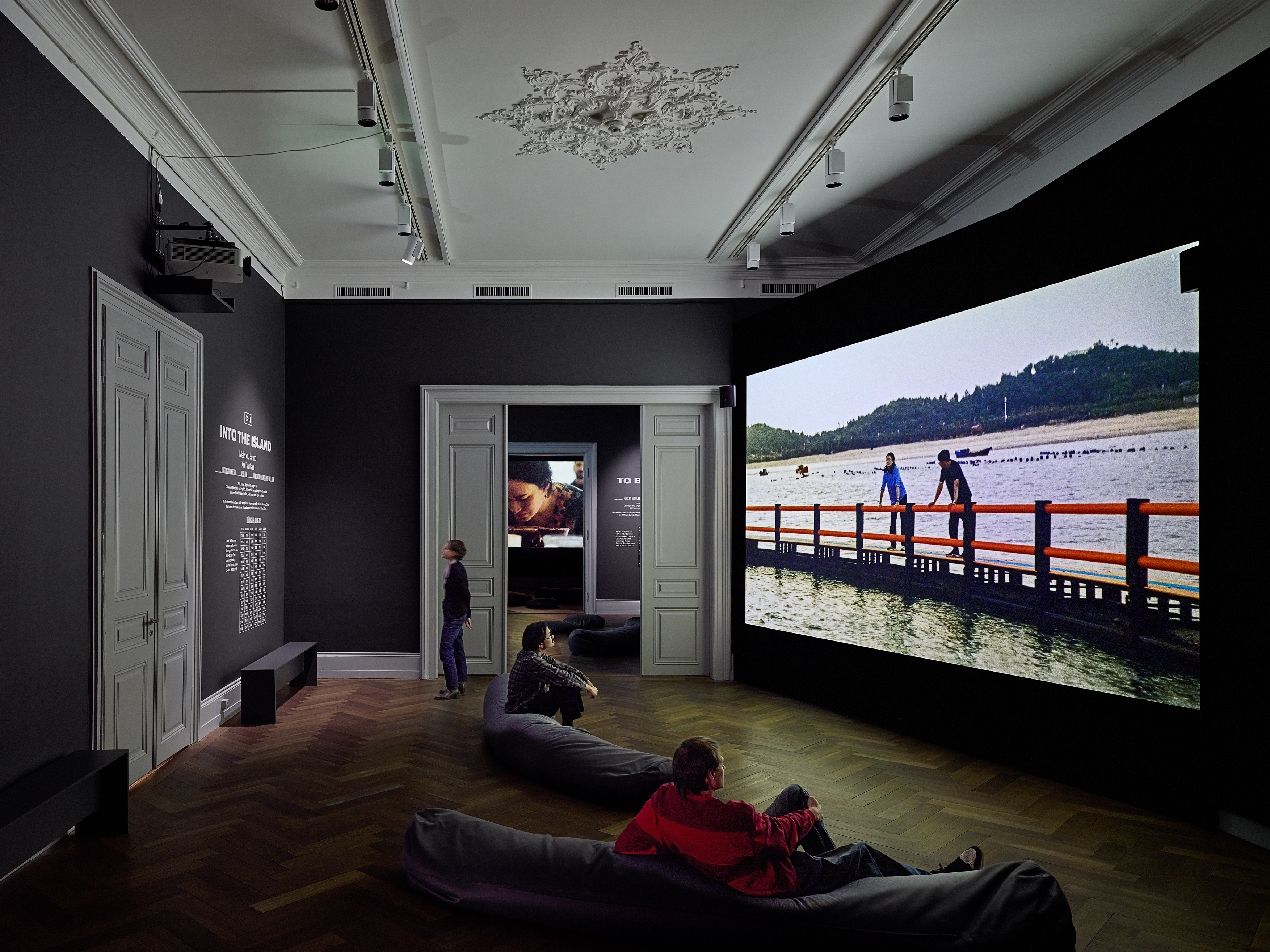
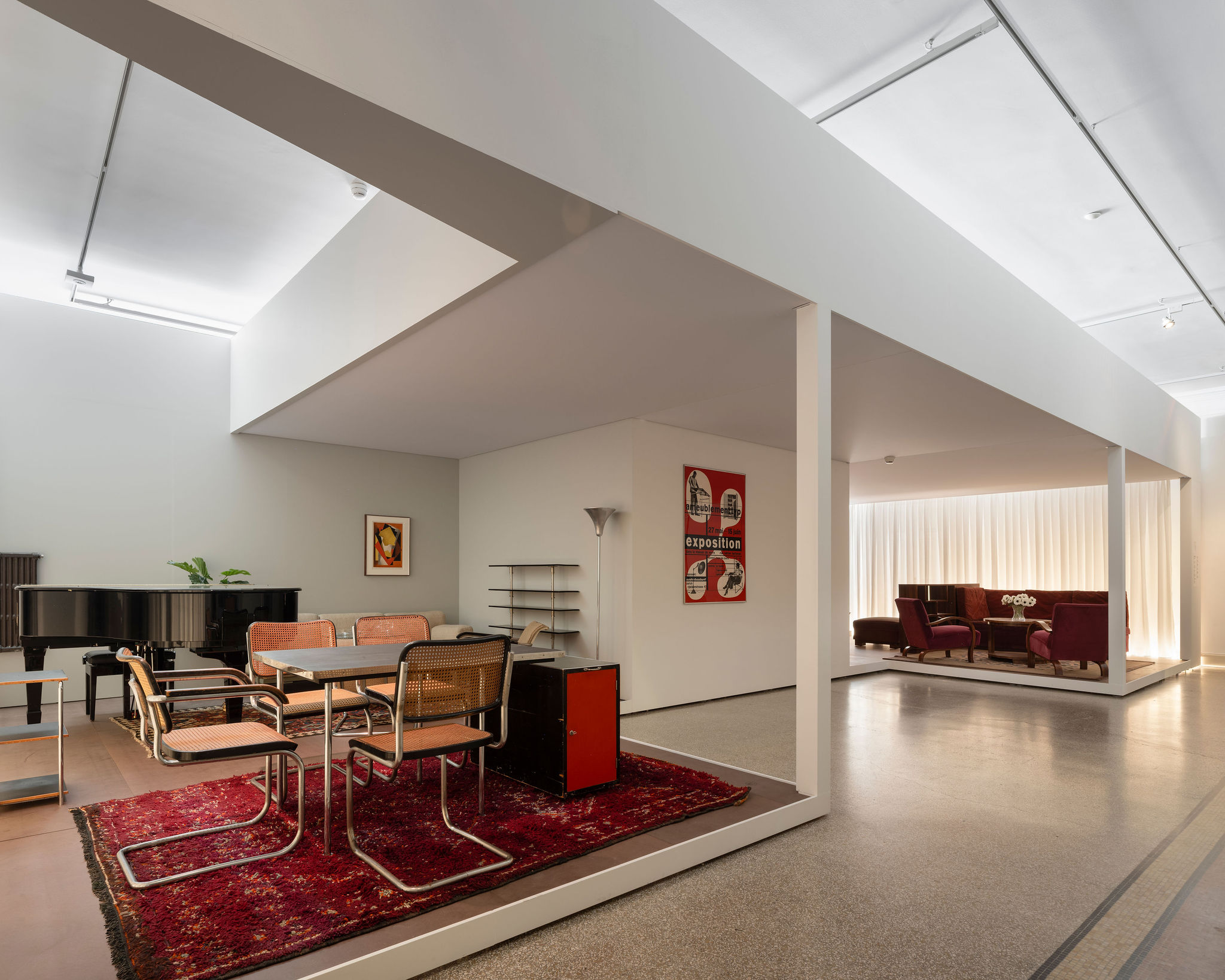
The current exhibition External linkat the museum, Groundwork, was conceived before Szymczyk was on board, but it addresses many of the issues that interest him.
It examines architecture in the face of social crises and ecological challenges through three films about the work of three architects: Xu Tiantian, who is working to navigate the pressures of heritage, tourism and marine ecology on Meizhou Island in southeast China; the Berlin-based collective bplus.xyz, which is initiating a European Citizens’ Initiative to promote the retention and rehabilitation of existing buildings over urban development, and Carla Juaçaba, who is creating pavilions to support local communities in Brazil who are resisting extractive agriculture.
While the three approaches have “not much to do with each other formally,” Szymczyk says, “there is a shared attitude in asking about the condition of the site and trying to understand the site. I’m more interested in practices that are sensitive to the context of architectural production, and I’m not so concerned with just producing one excellent building after the other.”
That reflects a more general movement in architecture away from “iconic” buildings, he says. Current debate is “putting in question the very idea of building, and going towards asking how to modify, how to perform ‘the minimal intervention’, which is a term coined by Lucius Burckhardt,” a Swiss sociologist and economist who was an important thinker in archaeological theory.
“I’m interested in how the place inflects the decisions of those who build and how they might change their minds, and how they can actually refrain from building something that is too imposing, but instead do something that is sensitive to many aspects,” Szymczyk says.
The debut
The first exhibition he initiated for the museum opens in September and focuses on the London-based architect Tony Fretton, who has built art centres and museums External linkin the United Kingdom, Denmark, the Netherlands and Norway. One of these is the Fuglsang Museum External linkon the Danish island of Lolland. “It’s saturated with light that is redirected architecturally in such a way to create the best possible conditions for viewing their collections,” he says.
He is particularly fascinated by Fretton’s writing about his projects, both built and unbuilt. “You can see the amount of thinking that goes into very small decisions,” he says. “It’s all about questioning – like why I’m going to build this door this way or why this window has to be there and not there, why this size, why this material.”
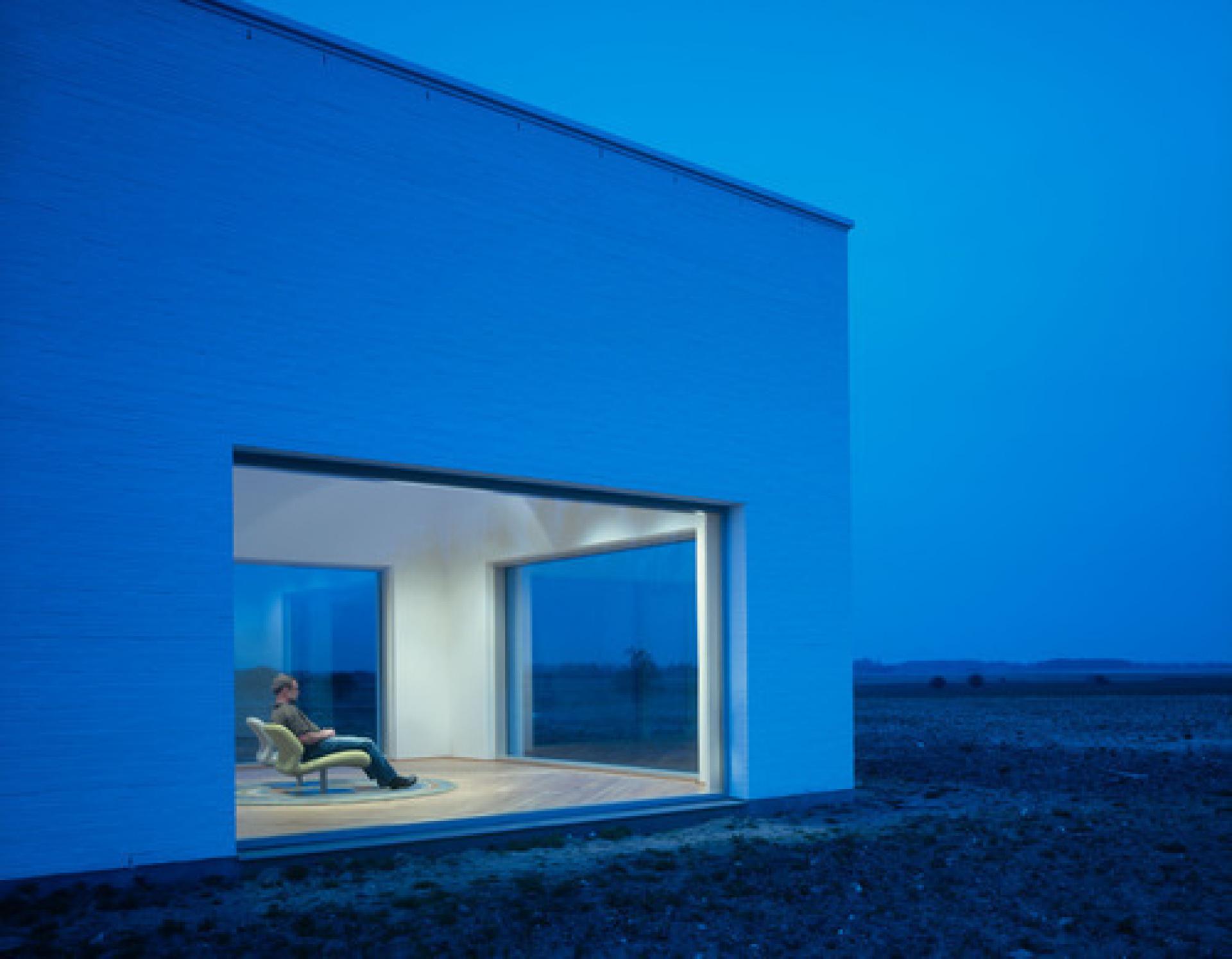
Fretton’s drawings, he adds, “nearly obsessively, or very stubbornly, attack certain tiny and sometimes technical issues, such as door handles or hinges.”
The Swiss Architecture Museum’s audience is a mix of architecture professionals and an art-interested audience, Szymczyk says. Admission to the museum is included in the ticket price for the neighbouring Kunsthalle. Szymczyk says he is realistic about how many visitors the museum can hope to draw. “It’s more about building an interesting public program on different layers, which I think the museum has,” he says.
More
One size does not fit all: Zurich architects reevaluate Modernism’s legacy
Edited by Virginie Mangin & Eduardo Simantob/ds

In compliance with the JTI standards
More: SWI swissinfo.ch certified by the Journalism Trust Initiative

You can find an overview of ongoing debates with our journalists here . Please join us!
If you want to start a conversation about a topic raised in this article or want to report factual errors, email us at english@swissinfo.ch.